Having a child changes you, and having a child with special needs changing everything. When Presley was born with Down syndrome almost 3 years ago, my medical background prompted me to begin researching everything I could do to have a positive impact on her future mentally and physically. I noticed there were children with DS that were doing amazing things such as reading by 3 years old, growing at a typical rate, and hitting most of their milestones with little or no delay. This inspired me and pointed me in the right direction.
I have since learned about additional genetic issues that commonly occur with DS, such as
MTHFR. I learned Presley has one copy of the 677, which meant she could process approximately 60% of folate. This also means she cannot clear everyday toxins/chemicals that a typical person is exposed to, such as those found in artificial dyes, processed foods, bleach, laundry soaps, air fresheners, volatile organic compounds (VOC's), paints, and the list is endless. When a person holds these chemicals/toxins in their body, they become stored within their cells and can cause multiple issues which are damaging to the body. This is even more detrimental to a child with developmental delays. In addition, children with DS experience large amounts of oxidative stress beginning at birth, which negatively affects everything in their body and accelerates aging .
We began slowly making changes in our household. This is currently what we are doing to lessen Presley's exposure to harmful substances, increase her nutrient intake, decrease her chances of debilitating diseases (like Alzheimer's), enhance her learning cognitively and physically, and promote general health and well being. It wasn't easy initially, and it isn't for everyone, but if there is something we can do to help her, we will. Doing this for Presley has in turn helped our entire family, too.
***Please note that the highlighted words are links to supporting articles or recipes.
1. HOW WE TEACH PRESLEY AND CONDUCT HER THERAPY:
We use a neurodevelopmental program called the
National Association of Child Development. They have had a huge impact in helping Presley. We travel to Dallas every 3-6 months for evaluations. They write a program specifically for her. Presley works hard and we celebrate each milestone and achievement. If you have a child with special needs or developmental delay, get a program that is tailored for them only. They also assist us with homeschooling our 4 year old, and she is currently reading at a 12 year old level. We can't say enough good things about NACD, and the guidance they have given us. We still use traditional therapies like ST, OT, and PT, but only once a month to keep Presley "in the system".
ICAN is used by some people also (like Andi).
2. HOW WE COOK AND EAT:
Nothing replaces a clean diet and a clean kitchen. NACD also provides a nutritionist, Dr Neil. We consulted him when Presley was very young and hope to speak with him again very soon. He recommended we begin with his "
thermos cereal" of grains and an extremely nutritional broth called "
potato peel broth". I have seen first hand how this broth has helped people with cancer, renal failure, and joint disorders. We began goat milk smoothies with raw almond butter, fresh or frozen fruit, and maybe some spinach. He encouraged raw foods as possible for the live enzymes to be effective. After his consult and hours of research, we incorporated the following changes:
* Raw goat milk. I began with pasteurized
until I found a reputable farm. It has smaller
proteins than cow milk so easier to digest
which is beneficial for absorption and helps
with constipation.
See a cow vs. goat vs breastmilk comparison.
*
Cage free organic eggs straight from the farm. Livestrong.com
confirms that organic eggs contain 2 times the omega-3s, 1/3 of
the cholesterol and 1/4 of the saturated fat as conventional eggs, and
2/3 more Vitamin A which is great for the immune system, hair, eyes,
and skin.
*
Grass fed organic beef (from local farmer's market) This has up to
6 times the omega 3 fatty acids in comparison to regular beef.
* Coconut/almond milk. We make coconut milk regularly using canned
milk now and use it in everybody's smoothies.
* Gluten free for Presley and 90% of the time for my typical daughter
and husband. Other diets I have read and learned from are the GAPS
diet and Paleo diet.
* The only dairy for Presley is organic yogurt, butter, and some cheese.
This is not frequently though.
* We eat real organic butter only. The body needs healthy fats.
* No pesticides or preservatives.
* No dyes/artificial colors. Many have been associated with
behavioral disorders in children.
*
Minimal processed foods and meats. I read the ingredients and
prefer less than 7 ingredients, and it must be ingredients I recognize
and understand. We have become a society of fast and convenient,
but we have also became a society of increased obesity, heart
disease, diabetes and more. There is a connection.
No MSG!
*
Absolutely no high fructose corn syrup. Read the labels, it is
everywhere, such as in ketchup, BBQ sauce, applesauce, and
especially sodas, sports drinks, and teas. Learn more about the
dangers of this altered sugar.
*
No white sugar. Sugar causes inflammation. Sometimes we
use coconut sugar in recipes, but many times we use dates.
* We cook most things from scratch now, something I definitely had to
learn. So, bring out your old cookbooks. I enjoy a cookbook from
Wellness Mama and Against All Grain: meals made simple.
* We cook using turmeric and garlic everyday. I add garlic &
Nutritional yeast to the girls eggs each morning. My husband calls
chicken dinner with turmeric "yellow chicken".
* We use wooden utensils.
We traded our Teflon coated cookware for cast iron and stainless steel.
* Most of our plastic containers, cups, and bowls have now been
replaced with glass or stainless steel. We use mason jars alot.
* We buy organic as much as possible. I once read a person could
eliminate 80% of their exposures just by choosing organic.
Filtered water in the kitchen and showers. .
Read here about fluoride and how it can affect children's teeth.
* We attempt to avoid
acrylamide, but it is another toxin that is
everywhere. It is the outer, brown, more crispy portion of
bread crusts, pretzels, french fries, crackers, chips, and more.
* We make our own elderberry syrup to support the immune
system.
Read more about what we do to strengthen immune system here:
* I make myself a
green smoothie (click on link) each morning which
will include some combination kale, spinach, coconut/almond milk,
carrots, beets, mango, avocados, wheatgrass, apples, strawberries,
etc.... I mention this to remind you to take care of yourself or you can
not take care of your family. I also have a cup of matcha green tea or
herbal tea or turmeric tea) with honey and coconut oil. Matcha green
tea has more EGCG and antioxidants than any other green tea and so
many other health benefits.
Read more about it here.
* Payton (typical 4 y/o) gets her own version of an organic
smoothie with coconut/almond milk, banana, raw cacao, vanilla,
yogurt, and some type of green or wheatgrass or a combination of
mango, orange juice, honey, and yogurt or kefir.
* Komboucha tea is full of natural probotics. It tastes great and requires
minimal effort to make each week.
I give the girls a little bit.
3.
HOW WE TAKE CARE OF OURSELVES FROM THE OUTSIDE IN:
* We choose organic shampoos, conditioners, toothpaste, and
hairspray. I make a homemade toothpaste for my husband and I. He
actually prefers it.
http://www.keeperofthehome.org/2012/04/rethinking-oral-health-care-a-homemade-toothpaste-recipe-for-tooth-remineralization.html
* We use handmade soaps and lotions, (same farm we get goat milk
and eggs from), or make it ourselves.
*
Epsom salt baths for the girls each night for the magnesium
absorption, along with some drops of lavender. Sometimes I add a
little baking soda and apple cider vinegar for the detox effect. It can
help flush out toxins, strengthen the immune system, promote
relaxation and sleep, and help muscles and nerves function properly. I
then use organic coconut oil on both girls in lieu of regular lotion each
night. It has antibacterial properties and is great for the skin. There
are additional benefits using coconut oil with DS that I will explain
further down.
* We recently purchased a saunca, although it will be a little while
before my daughters use.
This is an excellent way to detox heavy metals.
* I checked the Environmental Working Group for the best
sunscreens and chose
Badger Brand.
*
I make our baby wipes. Super easy and cost efficient.
* I make our
hand sanitizer. Smells better and I know the ingredients.
* We look for non toxic alternatives in all that we do, such as a
nail polish called "Piggy Paint". From their website: "Piggy Paint
is specially formulated from God’s natural ingredients and dries to
a hard, durable finish. There are no toxic chemicals; it’s free
of formaldehyde, toluene, phthalates, Bisphenol A, ethyl acetate
and acetone. Say good-bye to harsh, smelly chemicals and hello to
Piggy Paint…it’s as Natural as Mud!"
* I make our own
hazelwood and amber necklaces.
* We have taken Presley to a
chiropractor since she
was 9 months old. If you are curious what chiropractic treatments
are capable of, watch their
video.
* Occasionally we have tried cranialsacral therapy. However,
Presley has not been very cooperative.
4. HOW WE CLEAN IN OUR HOUSE:
When you read labels, you begin to realize how many harmful chemicals are around your home. Can you pronounce even one of the ingredients? There was a clean alternative to everything we were using.
* All our cleaning supplies have been replaced with baking
soda, vinegar, hydrogen peroxide, and castile soap, and essential oils.
I cringe thinking of how often I used bleach before. Most
cleaning supplies are bad for you and the environment. How can they
not eventually end up in the water supply? You can learn more ways
to do it yourself from here:
http://www.diynatural.com/
* We use essential oils as our air fresheners, first aid, cleaning
supplies, colds/congestions, rashes, and much more.
See Tricia's previous post. I also use them in our humidifier each night.
* No pesticides are used around the home.
I use peppermint oil and water to spray around the children's playground. It is very
effective against spiders. Lavender, cedarwood, and citronella work
against many insects. I purchased a premade bug spray for the girls
made with essential oils.
*
I make our own laundry soap. It is safe and costs so little.
4. WHAT WE SUPPLEMENT WITH AND WHY:
Payton (typical 4 y/o) gets an organic chewable multivitamin and additional vitamin C. She gets a probiotic, one drop of Vitamin D (1000 IU, only if no sun exposure that day), and chocolate cream fermented cod liver oil (CLO) in a tablespoon of applesauce. She calls it her "chocolate applesauce". She also takes a tablespoon of homemade elderberry syrup. This is followed by her smoothie and a breakfast of 2 eggs every morning.
Each morning, I make a raw goat milk or coconut milk smoothie for Presley. It has milk, fresh or frozen fruit, some spinach, and the following supplements. All of this is mixed up using a Nutribullet. There are certain vitamins and antioxidants that I feel Presley and the rest of the family may not get enough of in our diets. Some days it is challenging to get an almost 3 year old to eat her vegetatables, but it can be even more challenging to get the adequate quantity to meet the required recommendations to counteract oxidative stress, to make up for the MTHFR gene defect, and support and promote a strong immune system.
We also created Presley's supplemental regiment based upon her lab work. We routinely obtain bloodwork at Arkansas Children's hospital.
Read more about what labs we get.
Presley lets us know quickly when something is not right for her. She will become irritable, emotional, upset, or just not sleep when a supplement does not agree with her. We tested her urinary neurotransmitters and noted that most were elevated, so some supplements seem to "tip her over the edge". Within a few days, we usually discontinue it if it bothers her. I have never tried to "push through it".
We are interested in the long term affects of these supplements, such as the prevention of amyloid plague build up and cognitive decline associated with Alzheimer's disease. There is no "magic pill" to "cure" the effects associated Down syndrome or anything that will take the place of the hard work we do daily in our neurodevelopmental program.
Presley's supplements:
Prescription supplements
** Naturthroid - this is a natural thyroid supplement. It is a natural alternative to Synthroid, which is synthetic. I actually give this crushed with a tiny bit of applesauce soon after Presley awakes so it is on an empty stomach. I crush it due to a cellulose coating that delays absorption. It didn't dissolve well in water, so I didn't feel she was getting the full benefit. I wait 45 minutes after this medication before I let her have her smoothie.
**
Leucovorin - a prescription form of folinic acid. Based on research at Arkansas Children's hospital, the recommended dose is 1 mg per kg. We have not made it past 5 mg total (we should be approximately 13 mg) due to the agitation that occurs with anything above 5mg. Read more about cerebral folate deficiency from
Andi Durkin's blog since there she is always a wealth of information, there is no reason to be redundant.
Natural supplements
*
Cinnamon - organic. I just sprinkle it into her smoothie. Benefits include anti-clotting properties, anti-microbial, helps control blood sugar, cognitive stimulant, excellent source for manganese, and inhibits the release of arachidonic acid (a fatty acid responsible for the inflammatory response) from cell membranes, so very useful in inflammatory disorders.
* Virgin Coconut Oil - organic. I give approximately one tablespoon in her smoothie each morning. The majority of adults with DS will have the physical changes associated with Alzheimer's much earlier than would be seen in a typical adult. They may not exhibit the symptoms, but they can already have the changes present. Coconut oil is a good source of a particular type of fat known as medium chain triglyceride. This fat is converted into substances called ketone bodies, which the brain can use as a fuel source. According to Dr. Michael Rafii, Director of the Memory Disorders Clinic at UC San Diego, the reason coconut oil may be effective in treating Alzheimer's disease is because its medium chain triglycerides may provide an alternative energy source for the brain cells that, due to Alzheimer's disease, are no longer able to use glucose as an energy source. Please watch this v
ideo by a Dr in Florida who claims to have cured her husband's severe Alzheimer's by adding coconut oil.
*
Royal Jelly - we currently give 1/2 tsp of YS Eco Bee Farms Pure Royal Energizer. Royal jelly naturally supports neurogenesis (brain cell formation) which is important as people with DS experience cell death more quickly.
Read more about this on Andi Durkin's blog.
*
Local raw honey - I give 1 -2 tsp of this. Local raw honey contains bits of pollen carried by the bees and therefore gives a continued minute exposure which can help lessen allergy symptoms. It provides enhanced energy, has anti-bacterial properties, and promotes sleep and relaxation. Honey is not to be given to children under 12 months of age.
*
Bragg's Apple Cider Vinegar - organic. I give one capful (1 tsp?) each morning. It improves digestion, assists with constipation and diarrhea, slows the elevation of glucose levels after eating, potentially lowers cholesterol, and is a good source of antioxidants.
*
Dr Jensen's Black Cherry syrup - I give approximately 1 tbsp. each morning. It is a strong antioxidant and therefore can be helpful for inflammation in the body. "There is currently a lack of research on the health effects of consuming black cherry juice. However, a number of studies suggest that anthocyanins (one of the key antioxidants found in black cherry juice) may offer certain health benefits. For instance, a 2011 study published in the
American Journal of Clinical Nutrition found that dietary intake of anthocyanins may help
prevent high blood pressure. And in a 2006 report published in Free Radical Research, scientists state that anthocyanins "may play an important role in health promotion in terms of obesity prevention, cardiovascular health, anti-inflammatory and anti-cancer effects."
*
Black seed/black cumin oil - I give a "splash" which equates to a few drops of this each morning. It has been called the "cure for everything except death" by its ability to stimulate the immune system as much as 72 percent in soon as four weeks. An adult dosage is one teaspoon a day taken with honey and juice prior to breakfast.
Important supplements
* Probiotic - we use Seeking Health. It takes less than 1/8 tsp for each of our girls. 80 percent of the immune system is located in the gut. A healthy gut helps keep Presley healthy overall, which means less down time not learning and doing program. Probiotics may not be good for someone who is immunocompromised though. We also give the girls yogurt and kefir.
*
Phosphatidylcholine - we currently use Body Bio PC.
I highly recommend watching this 19 minute video to fully understand PC: The body makes a brain chemical called acetylcholine from phosphatidylcholine. Acetylcholine is important for memory and other bodily functions. Since PC might increase acetylcholine, there is interest in using it for improving memory and for conditions such as Alzheimer's disease. UPDATE 2015 : we switched to Seeking Health brand and it is more cost effective and efficient.
In several off-cited studies by Elizabeth Gould and Charles Gross of Princeton University, phosphatidylcholine was found to stimulate the growth of new brain cells and neural connections, a process known as neurogenesis and once thought impossible after a certain age." " Eggs and soybeans are the best source of choline, followed by meat (particularly liver), seeds, and nuts. But it’s not easy to get enough phosphatidylcholine from your diet, particularly if you’re trying to cut down on meat and eggs to control cholesterol. Most of the experiments with PC have been done with upwards of 5000 mg (the schizophrenia study used 6300 in two doses), and you’d likely need a choline-rich diet and a supplement to get anywhere close to that level.
UPDATE 2015: we stopped the multivitamin after tailoring supplements according to her labs.
*
Ambrotose glyconutrients - Read more from Andi Durkin's blog. We have been giving this since Presley was one year old. Current dose 1/4 tsp daily.
UPDATE 2015: we stopped this after it failed muscle testing several times in a row.
*
Fermented Cod Liver Oil - we currently use Green Pasture's chocolate cream at 1/2 tsp daily. The processing that many brands of cod liver oil undergo results in a product with low levels of vitamin A and almost no vitamin D. Fermented cod liver oil, however, is an unprocessed, unheated oil that is able to keep these vitamins intact. Therefore, fermented cod liver oil may have superior health benefits when compared to conventional cod liver oil. Among cod liver oil's most beneficial properties are its rich concentrations of EPA (eicosapentaenoic acid) and DHA (docasahexaenoic acid). Both EPA and DHA are important omega-3 fatty acids required by the body. DHA is especially important in the function of the brain and nervous system. Cod liver oil is also a rich source of vitamins A and D. Vitamin D, a nutrient present in very few foods, is important for many muscle functions, as well as for preventing common diseases such as hypertension, type-1 diabetes and cancer. Vitamin A is required for proper immune system function, as well as bone and cellular growth. Mackerel, herring, salmon and sardines stand out as common forms of oily fish. These particular fish all offer a more impressive content of omega-3 oils. Gayla and John Kirschmann, nutritional researchers and the authors of “The Nutrition Almanac,” estimate that a typical 7-ounce fillet of salmon provides around 4 grams of omega-3 oil.
A person consuming this, or a similar serving of oily fish, each day would not require supplements to meet official recommendations. We supplement because we do not eat oily fish on a daily basis.
UPDATE 2015: we changed over to Seeking Health fish oil after all the controversy surrounding the fermented CLO.
*
Liposomal CoQ10 - 100 mg is our recommended dose. I give 28 drops which is approximately 70 mg and we get 30 mg from the Nutrivene. Coenzyme Q10, also known as CoQ10 and ubiquinone, is a fat-soluble antioxidant found naturally in the body. CoQ10 is a powerful protection unit built into the body, removing free radicals, DNA damage, and other forms of oxidative damage according to the University of Maryland Medical Center. CoQ10 plays a critical role in the energy-producing component of cells called the mitochondria. It helps to develop adenonsine triphospate, or ATP, which is responsible for all muscle contractions. Coenzyme Q10 is often supplemented in doses of 100 to 300 milligrams daily. While you won't find foods with those amounts, there are some foods that are richer sources than others. Coenzyme Q10 is found highest in red meats, and is particularly high in organ meats such as liver and heart. Over cooking the meat reduces the amounts of CoQ10, boiling and frying appear to have the greatest negative impact on the CoQ10 content of the meats. The Linus Pauling Institute reports that 3 ounces of fried beef contains 2.6 milligrams of Coenzyme Q10.
UPDATE 2015: we switched to Seeking Health liposomal CoQ10.
* Circumin (not pictured) - circumin is a compound of turmeric. Tumeric gives curry its yellow color. They are a member of the ginger family. Curcumin has been shown to be a powerful suppressor of chronic inflammation-mediated disease processes. Many Asian cultures use turmeric in nearly every meal. They rave of its anti-aging and medicinal benefits. Curcumin modulates blood sugar and improves insulin receptor function by improving its binding capacity to sugar, which helps prevent inflammation. Turmeric is the fourth most antioxidant-rich herb with an Oxygen Radical Absorbance Capacity (ORAC) of 159,277. The curcuminoids boost levels of the body's most potent antioxidants including glutathione, superoxide dismutase and catalase. These molecules are critical for the body to limit oxidative stress-related damage to the vital organ systems. Curcumin has been shown to reduce inflammation-mediating prostaglandins, cytokines and other molecules such as interleukin 6, nuclear factor-kappa beta (NF-kb) and tumor necrosis factor-alpha (TNF-alpha). With a high enough dosage, this has the ability to pull the body out of a strong inflammatory cascade and reset anti-inflammatory behavior at the cellular level. Curcumin supplementation was shown to destroy cancer cell mitochondria, disrupt the cancer cell cycle and arrest stem cell development that facilitates further cancer cell formation.
UPDATE 2015: We switched to the Seeking Health circumin, which also contains reseveratrol. Unlike many brands, this has a pleasant taste that could be taken straight from the spoon if needed.
We still cook with turmeric, but you must use a fat like coconut oil and also pepper (or piperine) to ensure optimal absorption.
Additional supplements:

*
Vitamin C - we currently use a buffered Vitamin C called Perque. It comes in powder form. Half of a teaspoon gives about 1500 mg. It is a strong antioxidant and supports a healthy immune system. Vitamin C is one of the
safest and most effective nutrients, experts say. It may not be the cure for the common cold (though it's thought to help prevent more serious complications). But the benefits of vitamin C may include protection against immune system deficiencies, cardiovascular disease, prenatal health problems, eye disease, and even skin wrinkling. Most of the studies Moyad and his colleagues examined used 500 daily milligrams of vitamin C to achieve health results. That's much higher than the RDA of 75-90 milligrams a
day for adults. So unless you can eat plenty of fruits and vegetables, you may need to take a dietary supplement of vitamin C to gain all the benefits, Moyad says. He suggests taking 500 milligrams a day, in addition to eating five servings of fruits and vegetables.
"It is just not practical for most people to consume the required servings of fruits and vegetables needed on a consistent basis, whereas taking a once-daily supplement is safe, effective, and easy to do," Moyad says. He also notes that only 10% to 20% of adults get the recommended nine servings of fruits and vegetables daily. Moyad says there is no real downside to taking a 500-milligram supplement, except that some types may irritate the stomach. That's why he recommends taking a non-acidic, buffered form of the vitamin. "The safe upper limit for vitamin C is 2,000 milligrams a day, and there is a great track record with strong evidence that taking 500 milligrams daily is safe," he says.
Continue reading below...
Still, American Dietetic Association
spokeswoman Dee Sandquist, RD, suggests doing your best to work more fruits and vegetables into your diet before taking supplements. "Strive to eat nine servings of fruits and vegetables daily, because you will get a healthy dose of vitamin C along with an abundance of other vitamins, minerals, and phytochemicals that are good for disease prevention and overall health," she says.
While a cup of orange juice or a half-cup of red pepper would be enough to meet your RDA for Vitamin C, here are all the foods and beverages you'd need to consume to reach 500 milligrams (mg):
- Cantaloupe, 1 cup (8 ounces): 59mg
- Orange juice, 1 cup: 97mg
- Broccoli, cooked, 1 cup: 74mg
- Red cabbage, 1/2 cup: 40mg
- Green pepper, 1/2 cup, 60mg
- Red pepper, 1/2 cup, 95mg
- Kiwi, 1 medium: 70mg
- Tomato juice, 1 cup: 45mg.
UPDATE 2015: We switched to Seeking Health brand of vitamin C. It is approximately 2,500 mg per tsp, and I give 2 tsp to Presley, 4 years old after doing the Vitamin C cleanse/flush per Dr Russell Jaffe's protocol.
* Acetyl L-carnitine - I began this to help with muscle tone over a year ago. Immediately her strabismus (lazy eye/crossing eyes) improved. Acetyl-L-carnitine is a well-researched nutritional supplement. It is synthesized to provide a more bioavailable form of L-carnitine, which is a derivative of the amino acid lysine. L-carnitine is made naturally in the body by the liver and kidneys, and then transported to other tissues such as the brain and heart. Like L-carnitine, acetyl-L-carnitine functions as an antioxidant and promotes the production of glutathione, a free radical scavenger, in cells. (Gluathione is typically lower in DS) Because L-carnitine is involved in cellular metabolism, acetyl-L-carnitine can help increase energy production in the mitochondria, the "power plants" of all cells, and thereby may generally boost physical and mental energy. As a dietary supplement, acetyl-L-carnitine is often used to help improve memory, and has been studied as a possible adjunct treatment
for Alzheimer's disease. Acetyl-L-carnitine may also help address symptoms of depression, and may be useful in the treatment of Parkinson's disease, stroke, and Peyronie's disease. In addition, daily supplementation with acetyl-L-carnitine may have a protective effect on the central nervous system and may benefit the heart. There is also some evidence that acetyl-L-carnitine can enhance visual memory and attention in people with Down Syndrome, and clinical data indicates that it also may slow age-related mental decline that is not associated with Alzheimer's.
While I would like to utilize all natural sources in lieu of supplements, I currently can not obtain the adequate dose of 500mg, so we supplement. Natural sources of acetyl L-carntine:
- 3 oz beef - 80-81 mg
- 3 oz pork - 20-24 mg
- 3 oz fish - 5 mg
- 3 oz chicken - 3 mg
- 1 cup whole milk - 8 mg
- Other sources include peanut butter, avocado, asparagus, and wheat product, although lower in L-carnitine content.
Source
UPDATE 2015: We continue to use Seeking brand acetyl L carnitine at 500 mg based on organic acid testing showing fatty acid oxidation issues to which acetyl L carnitine was recommended. No issues were noted after three months with follow up testing.
*
Astaxantin - this is a more recent addition to all of our supplements. It is potentially the most powerful antioxidant. In terms of antioxidant power or potency, astaxanthin is 550 times stronger than vitamin E, and 6,000 times stronger than vitamin C. It has numerous health benefits from UV-radiation protection, to eye and heart health, to improved athletic performance. If you decide to give astaxanthin a try, it is recommend starting with 2 mg per day, and working your way up to about 4 mg per day (adult), or more if you're an athlete or suffering from chronic inflammation. If you are on a krill oil supplement, which naturally contains astaxanthin, take that into consideration. Different krill products have different concentrations of astaxanthin, so check your label. Another factor to keep in mind is that astaxanthin is a fat soluble supplement. So unless you take it with a small amount of fat, it's not going to absorb well. Butter, coconut oil, or eggs would be ideal complements to ensure optimal absorption. Astaxanthin lacks the ability to turn into a pro-oxidant, so it has been deemed one of the safest antioxidants, even at higher levels.
UPDATE 2015: temporarily discontinued.
*
Vitamin D - we currently use a liquid containing 2000 IU per drop from Seeking Health. I will give her 1 drop depending on if we will be spending time outdoors that day. It is crucial for the absorption and metabolism of calcium and phosphorous, which have various functions, especially the maintenance of healthy bones. Vitamin D serves as an immune system regulator, aids the immune system for colds and others, may reduce the multiple sclerosis risk, may help maintain cognitive function in later life, possibly key to a healthy weight, it can reduce the severity and frequency of asthma symptoms, reduces of the risk of developing Rheumatoid arthritis in women, a form of Vit D protects from low levels of radiation, help people recover from TB, adequate Vit D level show lower risk of developing cancer, and lastly one study suggests low levels may increase the risk of a heart attack and early death. If you live in the tropics and can expose your unprotected skin to two sessions of 15 minutes of sunlight each week your body will naturally produce adequate amounts of vitamin D. The following factors may reduce your body's vitamin D synthesis: 1. If you live far from the equator, your sunlight exposure will be less during many months of the year. 2. cloud cover 3. smog 4. sunscreens. If your body cannot produce enough vitamin D because of insufficient sunlight exposure you will need to obtain it from supplements and dietary sources. In the absence of sun exposure 1000 IU of cholecalciferol is required daily for both children and adults, according to a study by Boston University School of Medicine. People with dark skin pigmentation and the elderly are more likely to have vitamin D deficiencies.
Above all, our girls get plenty of love, plenty of rest, a predictable (yet flexible) schedule, lots of creative play time, especially outdoors. They get their hands dirty just as any kid would. We have our outings to Chick Fil A on occasion. We go to church on Sundays. We read a lot and listen to music often. We are trying to slow down and enjoy a more "clean" life. It does make us different from the norm, but we like it.
I hope you found this post helpful and insightful. Remember, these are changes we have made slowly over the past 3 years. Presley being born with DS has helped us to grow in so many positive ways. I am so encouraged by her kind spirit, her motivation, her determination, and how she continues to surprise us daily.
Blessings, Robin
*****Disclaimer, I am not recommending a certain type or brand of supplement. I am simply stating what is currently working for us. Each person should do there own research and consult with a nutritionist, physician, or naturopath for guidance.


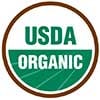 Option 1: Buy organic. National and state organic certification rules do not allow genetically engineered foods to be labeled “organic.” When you buy organic, you buy food free not only of synthetic pesticides but also GE ingredients.
 Option 2: Buy food certified as “Non-GMO Project Verified.” The non-profit organization Non-GMO Project operates a detailed, voluntary certification process so that food producers can test and verify that, to the best of their knowledge, they have avoided using GE ingredients in their products. The Non-GMO Project is the only organization offering independent verification for GMO products in the U.S. and Canada (Non-GMO Project 2014). (GMO stands for “genetically modified organism,” a term interchangeable with “genetically engineered” or “GE.”)