Showing posts sorted by date for query constipation. Sort by relevance Show all posts

Monday, March 1, 2021

How friends & family can help when you find yourself at the hospital with a child


 On January 8, 2021, Presley was diagnosed with leukemia (ALL).  She had never really been ill and or even been on antibiotics, so we were not prepared.  She had only been sick around 36 hours when we found ourselves admitted to the hospital for an indefinite amount of time.  We were very blessed to have family close by and friends within the Down syndrome community who jumped into action while our heads were still spinning in disbelief.   

Now, seven weeks later, I wanted to put into writing some of the things that I found helpful in hopes that maybe it will help another family when everyone asks "how can I help" or "what do you need"?   At the time, I didn't know what I needed, but thankfully I had a village who did.

My amazing friend Tricia began researching.  She juiced organic beets and carrots for Presley to begin drinking while still in the hospital.  She brought me a homemade smoothie every morning to help me get through the day.   She brought a variety of applesauces, protein bars, Lara bars, salads, nuts, coconut treats, yogurts, fresh fruit and vegetables and bottled water. The hospital did not provide meals for the parents, so she was taking care of me when I didn't. 

She also washed a stuffed animal and covered it with essential oils, as well as sending a variety of oils to me.  We have always used essential oils, but it wasn't something I grabbed when headed to the hospital.  I hope everyone has a Tricia in your tribe.  Thank you my friend. 

Prayer chains were good for my soul as churches and people around the entire globe began praying for my sweet daughter.  Upon discharge, I stopped by the outpatient pharmacy in the hospital and the pharmacist told me she had been praying for Presley every day because her name was sent out by her church.   I didn't know her or recognize her church.  Prayers work miracles.  


Listed below are ideas for family and friends of children who find themselves in the hospital.  Everyone wants to help, but often the parent is just too overwhelmed to answer calls, texts, or messages, so maybe this can provide some guidance about what we found fun and useful.


Things we received

Lots of balloons and stuffed animals brightened up the dreary hospital room, especially since we didn't face the outside world directly.  It brought big smiles every time the clerk walked in with a surprise.   We called her the "gift fairy", but she wasn't as amused by it as we were and told us we were wearing her out. Presley used some of the stuffed animals to cover her port that was placed in her left upper chest.  She would sleep with them there to make sure no one touched the area.  That cheer was transferred home as it filled our living room.   It was a strong visual reminder of the love everyone had for our daughter. 


Joy Jars - go to https://negu.org/ to learn about this jars that are jam packed with fun toys, activities, games and hats sorted by age.   Read the story how one girl named Jesse wanted to make a difference.   Our nurse brought us this, then we signed big sis up too and they sent another after our discharge.   These are fun ways to entertain.   Ask the staff, I bet they have them!


Beads of Courage - the nurse gave Presley a bead for every accomplishment she made.  One for surgery for her port, another for first chemo and a chart to explain it.  We took it home to put together on a necklace with big sis.   The nurse said one teenager wore it on her graduation day.  Ask the staff about it or check out their website.

Rapunzel Wig hat - this was given to us by the child life specialist. They had several princess wigs, but Presley loves Rapunzel. 

Barbie  doll - with no hair and 2 wigs -talk to the child life specialist and see what they have

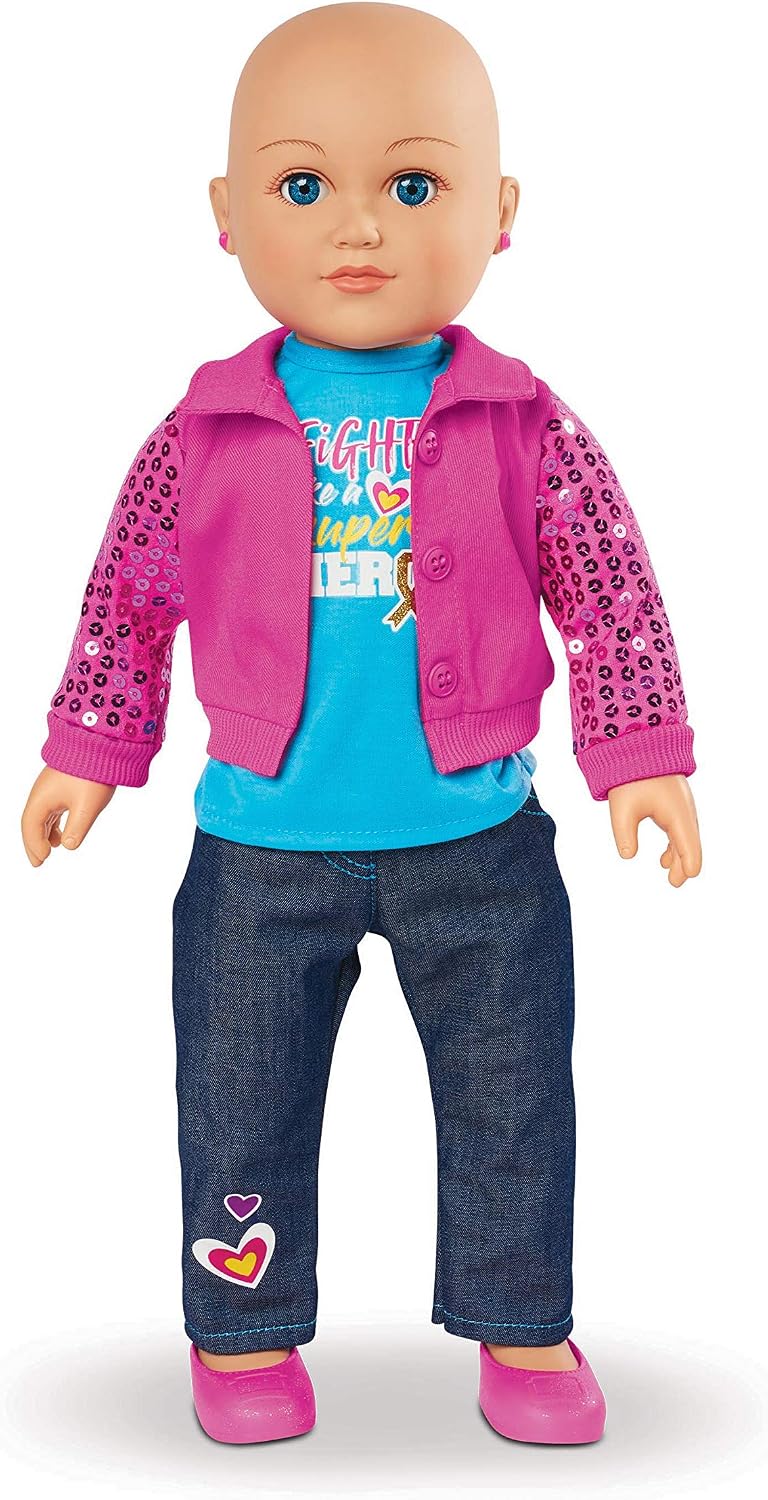
Big 18" doll with no hair telling a story of recovering from Cancer.   Super sweet gift from a friend.  
 

Hats or super soft head covers in anticipation of hair loss.  We got a variety of hats to give her a choice.  Some were handmade, some from Amazon and some on Etsy.

Superhero Training book - this is a very special given to us by my new friend Jackie at Rainbow Blankets.  It belonged to her son.   It turns the hospital into a world of training opportunities.   I showed it to our Child Life specialist and she was going to order some.  Read here to learn more about it. 

Tiny Superheroes cape -  one of Presley's Special Olympics swim coaches raised money to get Presley one of these special capes and it went so well that they were able to pay for several other children's capes too. 

Draw It Out book  by Art With Heart to help kids overcome adversity.   I got this from the Child Life Specialist for big sis who loves to draw.  It encourages her to express her feelings through drawing.  "When ink touches paper, the heart says what the words cannot".

Sibling:    "What About Me? When Brothers and Sisters Get Sick"  The Child Life Specialist gave us this when I asked what they had for siblings.  

Because Someone I Love Has Cancer book by the American Cancer Society - Kids activity book that involves drawing and answering questions

Sparkly house shoes for Presley. They had panda faces and she loved them. 

Baby doll with bottle that gave Presley something to feed and play with.   It also gave us something to show procedures on if needed.

DVD player with movies - we happened to have an old one at home and it hooked up nicely at the hospital to watch all of our favorites from home.  Another mom suggested a Fire stick to have for movies and Netflix. 

Handmade masks for entire family  - will need many to allow dropping on the floor, losing them, and washing them each time they are worn

Drawing supplies or kit for child and sibling (like a pretty notebook and markers)

Coloring books w/crayons or mess free markers & coloring pad or Water Wow books

Sticker face games - lets you put eyes, ears, etc...on a blank face or animal.  Presley loves these. Keeps the hand going with fine motor movements.  Here is a search on amazon with dozens of fun ideas.

Colored rubber bracelets that said her name or special color for cancer to let Presley and Payton to give out to family and friends.  She was also given stretchy, cloth bracelets with horses on them.  She gets a different one each week with an inspirational quote card attached. 

Crafts kits  -we received a flower crown and fairy lantern one for both girls to do

Lotions and chapstick made with basic natural ingredients to combat the extreme dryness that comes with the medications.  Epsom salt to soothe those exhausted little muscles. 

Bubbles - fun, but also encourages the child to exercise their lungs while laying around more

IPAD - we didn't use electronics much before this, but knew we needed a way to keep entertained while indoors more.  Tricia brought one up immediately and family members got together and purchased a really nice, purple one for them

Board games - age appropriate, something we love to do at home before this happened

T-shirts - we received a christian shirt and one with a chicken on it.  This are 2 things dear to Presley, so she loved wearing those in the hospital and telling everyone about them.  Plus, it got us out of the hospital gown for awhile.

Port Access shirts -  sometimes called "Chemotherapy" or "adaptive clothing", but can be difficult to find.  There is one awesome lady named Laura Frank Pursglove, whose grandson has cancer, so she and some friends began converting T-shirts into port accessible shirts by adding snaps.   They do this out of generosity at no charge.  She has given me permission to put her name on here to contact via Facebook.  Find her here.

Cards - sometimes the hospitals have e-cards you can fill out online and they will print off and take to the child.  The girls loved getting real cards with stickers in them addressed to each of them after we got home.

Books -  Presley loves dolls, fairies, unicorns, and anything girlie.  Books are fun and easy for her.  She loves reading together, so always a great gift for kids.  Look at the Step Into Reading books for younger kids in their favorite topics.

Music box - she was given a small wooden music box that plays "Jesus Loves Me" when you turn the handle.   We carry it to each appointment and play with it.

Zoom call with a Princess - we had a kind friend who had beat Cancer herself purchase this for the girls after we got home. They chose Rapunzel and the girls absolutely loved it.  She read a book, sang to them, then just talked and laughed with them.  A very unique gift to give a child while staying home.

Blankets - so many beautiful, fun, creative, and handmade blankets!   I don't think you can have too many.   We used them in the bed, in the chairs, on the floor, in the bean bags, in the chair, in the clinic.  I loved how people used their talents of sewing and quilting to bring joy to my daughters.   Many times, they were given to both of my daughters, which made Payton feel special too.   

Kensi's Rainbow Blankets -Please buy someone you love one of these adorable blankets.  A sweet little girl named Kensi sells these blankets to raise money for pediatric cancer research in honor of her little brother who had brain cancer.  A dear friend gifted us one and introduced us to the mom of this sweet girl.  A beautiful example of kindness. 


Pictures from her friends:

    * Her instructor where she takes horse riding lessons, "Mr Ron", made a sign for Presley and put it on her favorite horse.  He also sent many videos while he walked around the stables and named all the horses, chickens, and dogs she was used to seeing.  She loved seeing this.

 May be an image of horse

    *  Her taekwondo instructors sent her and big sis a package of all things taekwondo that included hats, wristbands, pink belt hairbands, and more.  There was also a big poster that defined what courage was. 

    *  Big sis Payton made a video when she fed the animals and made sure to include her favorite pet chicken "Rainbow" everyday while we were in the hospital.  Now at home, she brings it to the window each morning to say hello. 

    *  Presley's previous cheer team made a video of all the kids and instructors wearing her favorite color purple and saying words of inspiration, then ,set it to music.  It was beautiful. 

    *  Handmade cards from their best friend and pen pals that kept coming even after we made it home were priceless and they were excited for mail each day.  

Child Life Specialist or Social Worker - they brought toys and games by each day to use.   They also offered books for big sister when we got home to help her understand and talk about what was going on and how things were going to change for awhile.  They also sent for music therapy, and a therapist came by with a cart full of instruments and they played songs together.   It was Presley's favorite thing in the hospital, so ask for it.   There are also many resources to assist financially.  Lean on these specialists, they will find a way to make your child feel more comfortable about what is going on.


Things I ordered in anticipation of going home or soon after we got home:

Waterproof pads ("Chux") - it was very painful to move for awhile, so having these under her saved us from moving her excessively when an accident occurred, and it will from all the IV fluids they are receiving to stay hydrated and keep the body flushed out.

Waterproof reusable pads that are soft and washable. Can go on the couch, beanbag, or bed if needed. I also bought the larger ones.

Extra set of sheets for her bed to keep washed and ready

Goodnite Diapers - accidents are going to happen at night

Castor oil pack - to help with constipaton, detox, lymph stimulation

Silcone straws - needs to be flexible as you offer fluids often at home while she was lying down.   I cut some of them shorter to fit in the medicine cups too.

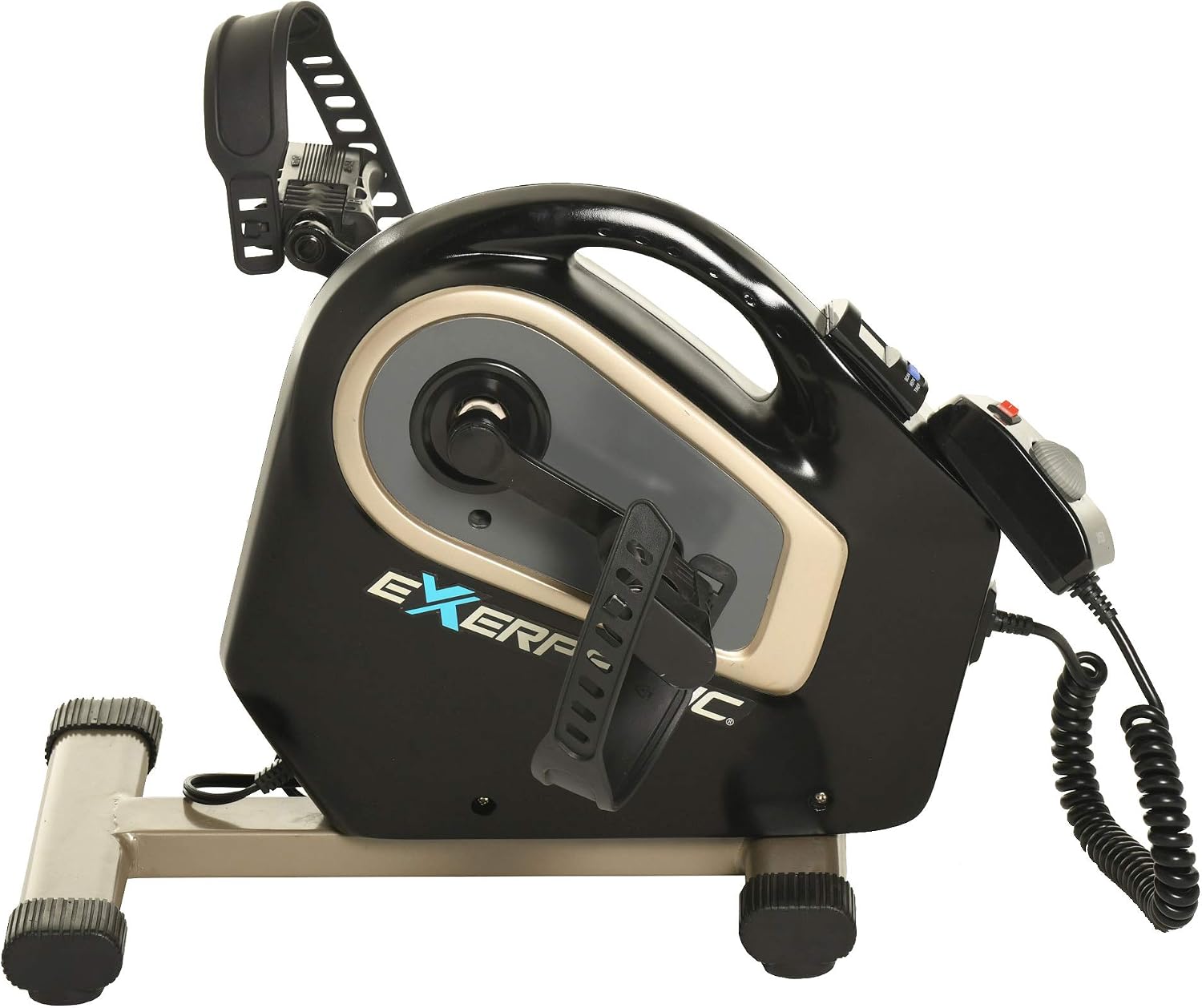
Passive range of motion small pedal exerciser:   I ordered this to get those little legs moving again once she felt better.  It is motorized and can start very slow and gradually increase.  It has a 15 minute timer.   It can be used for legs or arms.   For $139, I thought it was great.  Initially, I had to hold her legs straight so they didn't fall to the side due to the muscle wasting she experienced so quickly.  Within 2 weeks, she could do this by herself.  I sit beside her still and do not recommend leaving them unattended.  Bonus, there is also a cool study about DS and the benefits of assisted cycling therapy here.
Walker/wheelchair - a friend let us borrow a 4 point walker with a seat and brakes while waiting for the large stroller type wheelchair to come in.  This had a seat that stored her books and anything we might need to keep near by.  Presley called it her "carriage".  It is very common for children to stop walking the first month during induction due to the Vincristine causing issues with reflexes, neuropathy, and muscle loss.   I suggest ordering the stroller/wheelchair early, even though they may still be walking fine, the fatigue will be there for awhile and it took a few weeks for the stroller to come in.  This gives me a way to get Presley outside on nice days and move from room to room more easily.  (Disclaimer:  the walker we used had a sticker stating not to use it for transportation, supposed to be used as a chair for resting only) This is a picture of the one we ordered through insurance:


Therapeutic massager/vibration - I already owned this one, and it has been invaluable.  I use it on Presley's feet and legs each morning for the neuropathy, then on her abdomen to fight the constipation caused by the meds and inactivity, to encourage lymphatic draining that is typically stimulated by daily movement, and to her back and chest to help prevent fluid from building up while lying down so much.

Pado pure wave CM7 - Massage Customs | Best Therapists in ...Inflatble mattress - we already had one.  Presley wasn't comfortable sitting upright on the couch after so many spinal taps and was basically too weak to remain upright long.  She would ask to lay down.  We put an inflatable mattress in the living room to keep her moving around the house and engaged with us instead of just laying in her bed room.  

Soft, cushioned toilet seat - sounds crazy, but one of the major side effects of Vincristine is constipation.   We spent a lot of time trying to overcome this.  Presley's legs were too weak to even hold her legs on a small stool or the squatty potty stool, so I took extra bathroom rugs and towels and made them tall enough for her feet to rest on, but they would discolor from the position on the seat, so this cushioned seat was extremely helpful.  Costs $20 at Lowe's.  

Fruit & Veggie Wash - they warn you about unwanted germs when consuming anything fresh because the immune system will stay so suppressed.  Tricia again for the win, she brought me some Young Living Thieves Fruit & Veg wash.  We didn't want to stop eating fresh, so this helped out.   It also helps out to soak the fruits/vegs before juicing them. 

Soft tooth brush - you can google "chemo toothbrush" and find a variety.  When you child's platelets are very low, you will see easy bruising and possibly bleeding when you brush their teeth, so a soft toothbrush is recommended.  Also later, a side effect called mucositis can occur which causes sores in the mouth so buy multiple and you can change out often.   Another mom said she uses baby toothbrushes because they were so gentle.

Large Bean Bags - again, to keep Presley from just staying still in bed.  The bean bag allowed her to recline between a sitting and supine position but completely supported.  It could also easily be moved to different rooms.


Did you know you can save your child's own hair to make a WIG out of it????  I wish we had know this because Presley had the most beautiful long blond hair, she called it her "Rapunzel hair".   Look at this non profit called Crowns of Courage.    You can also just apply for one of the halo wigs too.   Looks like a great place to donate hair as well, but check the website to see if they are accepting at this time.


Things for Mom, Dad, parents, grandparents, or caregiver:

Extra pajamas for days you just don't get dressed, and houseshoes while at the hospital  (thanks Sis)

Chamomile w/lavender or other teas for stress, coffee if they are coffee drinkers

Essential oils with device to wear (bracelet, necklace) - I found them calming for me

Journal - I received a blank journal and began writing favorite bible verses in it that encouraged me.  When "having a moment",  I can just read some of my hand picked inspiring verses to be feel nourished again. I call it "My book of God hugs to give me peace, nourish my soul, and bring me joy". 

Books or magazines - I had several friends send me books that would entertain, support my curiosity about this new diagnosis, and provide spiritual guidance in this new journey.

Binder - Someone new comes in every hour and gives you a business card or they hand you a stack of information about the 5 new medications they will be giving that day.   This gave me a place to organize everything and write down my questions.    

Paper plates, cups, utensils - the last thing I wanted to do when I went home was to wash dishes.  Yep, Tricia hooked me up again!   This was such a great idea and help to us without having to worry about washing dishes. 


Comforts of home while in a hospital room:

Water filter pitcher - the tap water out of the ice machine tastes bad, so this will help out

Tape- cover lights to hide unnecessary light from the hallway or machine or hold curtains

EMF blanket - baby blanket size to cover your child for about $69 on Amazon to ease my mind, pair up with your child's favorite pillow case to dress up the room

Sound machine - to help protect your child's sleep and hide all the talking from the hall in the middle of the night.  I chose Wholetones.

Diffusers - for many reasons, but also to make it not smell like a hospital room

Tea tree wipes - I make these homemade, so I can clean the surfaces when I want to

Flashlight - to do late night reading, go to the bathroom, or keep someone from turning on a bright light during the night


Others things family or friends can do:

Gift card for dinner, another friend gave a card for a meal delivery service that we used while in the hospital still

Frozen dinners dropped off - check about dietary restrictions

Amazon wish list - have mom create a "wish list" under their Amazon account, then wish list, give it a name, then it "public".  Let the child pick out some new games, toys, books and let family and friends pick things off of this list.  Tricia was creative and did this and had the items sent to her house.  When we were discharged, she bought the bag of goodies and backpacks over to ration out each week when we had to return for chemotherapy.   Each bag also came with an inspirational christian card to read.  My girls looked forward to each Monday, because they got a new surprise.  This made chemo days start with a smile for them.   It could also be used for supplies the parents are going to need when they get home to help financially offset some of their out of pocket expenses.

Click list - at our local Kroger and Wal Mart, they offer a click list where I can order everything I typically get and pay for it in advance.  Then any one can go by and they will bring it to their car for them.   A family member picked up our groceries, which helped us out immensely to not have to worry about this. 


Some great ideas from caregivers with more experience on this journey suggested these:  

Glass markers to color the windows

Melissa & Doug reusable stickers - we have lots of these too

Fun pillowcases - I love this idea

Printed photos of family and friends

Shipt membership to get groceries or Target delivered

Fake greenery/succulents to brighten up the room    

Toddler training potty to place on bed instead of dragging IV to bathroom for smaller kids

Extension cords for extra electronics

Extra thermometer - or 2 or 3, for home, hospital, purse

Headphones for phone or watch "grown up" shows

Wall decals - I love this idea to brighten up the room!

Extra pairs of fancy children's underpants


Things to consider later:

Roc Solid Foundation - this is a foundation that offers ready bags for hospital trips and backyard playsets for free!!  Go check out this out.  It could take a couple of months, but what a great way to kids moving and outside playing.

Make a Wish foundation - in the past, they have given special trips, but currently their website states they are on hold for trips, but granting wishes like bedroom makeover, playsets, animal or pets, meeting a celebrity, gaming center, computer and more. 

Gigi's Playhouse - this resource is more specific for Down syndrome and offers lots of class for all ages online, both live and prerecorded to help entertain your child and have fun.


As I mentioned before, we were very blessed to have family, friends, and a community supporting our new journey.  I hope these ideas help others when they so dearly want to do .....something....anything to help out.

Blessings to you all,

Robin


Thursday, January 31, 2019

Healthy child: Where do I start?

Nutrition and Your Child’s Health
Recently, I was asked to speak to a group of special needs parents.  This pushed me to complete this post that I had been working on for awhile.  While it took many hours to compile, if it inspires even one family, it was time well spent.


My goals are to encourage your interest and education in the following areas:

-          Optimize nutritional intake

-          Improve gut health

-          Increase the immune system

-          Support detoxification pathways

-          Reduce toxic burden


Nutrition supports the body overall and in each of these categories. I have been in the medical field for 30 years now, but only began to dig deeper after Presley was born with Down syndrome.   I have been researching  each of these areas repeatedly over the past 7 years and would like to share with you some of the highlights.   This information has proven very beneficial for our family.   Remember, we started out on this journey with one change at a time and over time, it has added up.   It’s a marathon, not a sprint race.   The overall goal is better health for your child.    Better health decreases the chances of illnesses, promotes proper elimination, expedites healing from an illness, decreases brain inflammation which leads to better cognition and learning.   This could possibly lead to decreasing or eliminating the need for certain medications.  


Nutritional support is even more important if you have or know a child on a stimulant medication, such as for ADHD, since a common side effect is delayed growth.  They eat less, so what they do consume should be nutrient dense. 


Did you know there are diets proven to not only prevent and treat but reverse our #1 killer, heart disease, along with other deadly diseases such as type 2 diabetes and high blood pressure?   (Ornish, Esselstyn) Yet doctors get little if any formal nutrition training in medical school, graduating without some of the most powerful tools available to stop the chronic diseases that remain our leading causes of death and disability.  As parents of children with different needs, we can experience more stress and less sleep than average, and we are not exempt from our own health issues.  We need to live healthier longer.  We have all heard about applying the oxygen to yourself first before you can help others.  Therefore, this should really be a family commitment.  This lifestyle can take a little more time and more money, but it will increase the quality of your child’s life.   Your entire family will be healthier from a few changes.


1.  Optimize Nutritional Intake.


What does a real food diet look like? 

-          No gluten - gluten is a family of proteins found in wheat, barley, rye.  Makes dough elastic and causes bread to rise.    Some people have gluten intolerance (like Celiac) or gluten sensitivity.   Children with ASD show significantly higher levels of IgG gliadin antibody, the class of proteins present in wheat, and produce an immune response in sensitive individuals.    Biological testing also confirmed people with ASD  tend to have higher levels of gluten proteins in their urine.   (D. Amen).   According to the National Institute of Health/US National Library of Medicine, Non Celiac Gluten Sensitivity has been related to autism, schizophrenia, and depression.   Symptoms of NCGS can include:  abdominal pain, bloating, diarrhea or constipation, or systemic symptoms such as brain fog, headaches, fatigue, leg/arm numbness and more.  You must remain entirely GF for 30 days minimum to see if your child will benefit from this. Remember, a gluten free cookie, is still a cookie though.  Gluten free does not necessarily mean healthy.   


-          No or limited dairy  (casein) -  some debate whether casein harms the brain or the dairy causes gastrointestinal problems, which cause distress and worsen behavioral issues.   On the elimination diet, you eliminate common food offenders, such as dairy, and after 30 days or more, you could introduce a small dairy product  and see if it creates concerns.    Children with ASD have been shown to have lower levels of Calcium, so consider an alternative such as almond milk or coconut milk.   Observe for nut allergy or sensitivity to oxylates. 


-          No processed foods –  chemically processed foods are made of refined ingredients and artificial substances.  Highly processed foods often contain:  preservatives, colorants, artificial flavors, and items to give texture.   They are typically low in nutrients and fiber. 


-          No artificial dyes -  associated with hyperactivity and behavioral disorders  (check labels, you will see it in pickles, ketchup, candy, cereals and much more.  These are banned in many European countries due to the neurological effects.


-          No sugar - amount recommended for a day 100 – 150 calories a day for adult from sugar, which means one can of soda would put you over the limit.  Too much sugar can lead to insulin resistance, elevated triglyerides and cholesterol, and increased fat accumulation in the liver and abdominal cavity and more. Strongly associated with heart disease, diabetes, obesity, and cancer.   Sugar causes inflammation throughout the body.  


-          No high fructose corn syrup (HFCS) – sugar’s evil twin


-          No MSG - watch the video:  Unblind my mind – TEDTalk at https://www.youtube.com/watch?v=iL4SD5f2toQ .  She discusses how she solved the mystery of why her daughter would have meltdowns that would last hours when she asked her a simple question.  MSG is an excitotoxin, which means it can overexcite your cells to the point of damage or death, causing brain damage to varying degrees, and potentially worsening learning disabilities, Alzheimer’s and Parkinson’s and more.  Can be hidden by labeling it:  autolyzed yeast, yeast extract, hydrolyzed protein, glutamate, textured proteins and more.   My previous post can be read here:  http://www.3of21.com/2015/12/removing-msg-could-help-your-family.html


-          No refined oils or trans fats usually contain cheap fats with excessive amounts of omega-6 fatty acids, which can increase oxidation and inflammation in the body.   Choose unrefined oils, meaning they haven’t been filtered, heated, treated with chemicals.    Coconut oil is a good alternative.


-          Fewer& real ingredients:  small amount of ingredients that you can recognize  (5 ingredient rule).


-          Fresh foods as often as possible, organic  and non GMO when possible.   At a minimum, avoid the dirty dozen (most pesticides) as reported by the Environmental Working Group   (https://www.ewg.org/foodnews/ )  Real foods are grown and packed with nutrition.  Find a good printable of "eat the rainbow" and put on the refrigerator.  For example, cruciferous vegetables, such as broccoli, kale, Brussel sprouts, cabbage, cauliflower contain an important ingredient  called sulforophane.  It up regulates heat shock proteins in the brain and can improve synaptic transmissions and connectivity in the brain, which is typically decreased with ASD.    It is also a natural inducer o f N12, known as the “master regulator of the body’s response to environmental stressors.   It also triggers antioxidative response elements and increases mitochondria function.  Mitochondria are the “powerhouse” of all the cells and is known to be dysfunctional in children with ASD and DS.   There was a study that gave 1 TBSP of broccoli sprouts (=1 cup broccoli) to children < 100lbs and it was shown to decrease abnormal behavior.   Supplements provided no change.   Broccoli sprouts can contain up to 100 times more sulpherophane than a mature broccoli plant.
-    Check out thrive market, amazon, daily harvest for examples of online ordering and delivery right to your home.   Look into azure standard to local delivery of fresh foods.   There are so many options to find healthy options.

Where do I start?  What can I feed my family?


-          Here is a mom that challenged her family a few years ago to 100 days of eating real food.  It was such a success, they kept going and she has dedicated her life to showing others how easy it can be:  https://www.100daysofrealfood.com/

-          There are many websites and apps for assist in meal planning for your family.  Some examples are wellness mama and forks over knives.

-          Make small changes, maybe this week, you find a brand of chips that contain only three ingredients:  potatoes, salt, oil.  Stay with that brand.  Next week, add a couple of bites of broccoli.   Try a smoothie at Tropical Smoothie Café (ask for no sugar and to substitute with honey instead) and then tell your child you can try making it at home next time.  Include them in choices and allow them to help make it by choosing and adding ingredients. .  

-          Remember to see what your child is getting at school and even in Sunday school.    I have seen Goldfish crackers handed out many times.  They contain artificial dyes, sugar, wheat, refined vegetable oils, high sodium content, and non-fat milk, so basically everything we just talked about. 

-          Things we use at home:

o   Apples with sunbutter, applesauce

-   Fruit and veggie pouches.  Maybe you can't find organic, but you are still giving them good nutrition.   Keep things like these on hand for a quick snack.


o   Veggie fries/tots, Dr Praeger’s potatoes, broccoli fries

o   Sweet potatoes

o   Mashed potatoes/cauliflower mix

o   Chips with only 3 ingredients:  potatoes, salt, oil; add some salsa or hummus

o   Lots of fruit such as blueberries, strawberries, bananas, apples each morning

o   Get the bowls instead of wraps when eating out, decrease fast foods

o   Dilled Brussel sprouts (need to like pickles to like these)

o   Fermented carrots with hummus - fermented foods are a great source of natural probiotics

o   Oatmeal with sunbutter, honey, and fruit

o   Kale chips – oil, salt, pepper and bake  (stems can be bitter, so we don't usually eat them)

o   Roasted broccoli and Brussel sprouts – oil, salt, pepper, garlic

o   Komboucha tea

o   Beans - avoid BPA lined cans,   we make them often with our instant pot in 25 minutes

o   Quinoa

o   Spaghetti squash – place entire squash in oven, bake then cut open to bake last 10 minutes

o   Roasted garlic – oil, salt, must cut open, roast 15 minutes

o   Zucchini noodles – sold in freezer area also

o   Avocados or guacamole

o   Potato peeling broth – see here http://www.3of21.com/2014/07/potato-peel-broth.html


o   We only consume grass fed beef.
o   Our biggest nutrient dense option is our green smoothies each morning.   I use almond milk or komboucha tea.   It contains their vitamins for the day, along with spinach, kale, or spring mix greens (we rotate greens each week), a small carrot, frozen and fresh berries and fruit.   I add a few spices known to be anti inflammatory and healing such as turmeric, ginger, flax meal, and amla also.   If needed, I use local, raw honey (not recommended for children less than 1 year old)  You can look up kids smoothie recipes for tasty options to introduce them to smoothies and slowly add another healthy ingredient each week.   See previous breakfast post here:   http://www.3of21.com/2016/03/whats-for-breakfast-smoothies.html 
What about a picky eater?  Check out Melissa Matecki with Healthy Kids the Easy Way on her Facebook page or website: https://healthykidstheeasyway.com/ for tips and strategies.
                -  Talk with your child about why health is important.  Get them to talk and ask questions.
                -  Ask them what they can do get healthy and embrace all of their ideas such as eating the
                    rainbow for superpowers, going to bed early or on time, exercising...
                -   Let them choose what new vegetable they will try that week, then let them on the
                    help pick out a recipe. 
                -   Ask them afterwards what they liked, what was challenging for them.  Talk about it.
                -   Repeated exposures works over time with a little planning and a positive attitude.


2.   Improve gut health:

-          70-80% of the immune system is located within the gut (GALT)

-          Numerous studies supporting the gut-brain connection, known as the “second brain”

-          Father of medicine, Hippocrates said, “all disease begins in the gut”

-          Intestinal permeability aka “leaky gut” – secondary to poor diet choices, chronic stress, toxic overload, bacterial imbalance.   The intestines are protected by a single layer of specialized epithelial cells that are linked together by tight junction proteins which control what is allowed to pass directly into the bloodstream from your digestive system.   Leaky gut symptoms are a results of the tight junctions malfunctioning and allowing toxins, antigens, bacteria and more to enter the bloodstream.   This causes inflammation and sometimes autoimmune reactions .  

o   Symptoms:  gastric ulcers, diarrhea, IBS, SIBO, allergies, respiratory infections, acute and chronic inflammatory conditions, thyroid disorders, autoimmune diseases, chronic fatigue syndrome, obesity, and more.   They may experience food sensitivities, vitamin deficiencies, skin conditions such psoriasis or eczema,

o   What can you do?  

§  Remove damaging foods.   Try the elimination diet. Remember it takes about 2 weeks for your taste buds to adjust.

§  Support the gut with an anti-inflammatory diet.   The Wahl’s protocol by Dr Terry Wahl’s is very informative.

§  Some say repair the gut with supplements recommended by a functional medicine doctor.

§  Others say probiotics and pre-biotics.   Pre-biotics are food for gut bacteria.  Do not use a cheap brand of probiotics.   We have had good results using Seeking Health Probiotia and Visbiome. 

§  Dr Nemecheck is popular within the ASD community.  Informative website, Facebook pages, and numerous youtube videos.  He recommends taking inulin, olive oil, fish oil to decrease inflammation and allow the gut to heal.  No probiotics are used during his protocol, so you do not feed the bad bacteria.   Some parents of children with ASD reported increased behavior issues initially.  

§  The GAPs diet is another popular protocol to heal the gut.


-          Tests:   we have done multiple stool samples through companies such as Ubiome and Viome.  They give their recommendations based on their analysis.  Viome gives a detailed list of foods to add, limit, or eliminate based on their results.   They also tell you the species of good and bad gut bacteria, as well as the diversity of bacteria.     You want a diverse gut microbiome.   It also gave us valuable information as to whether our probiotics were effective.    It is also helpful to know if you will be using a gut healing method called the Nemecheck Protocol (see below).


Constipation – this was a concerning issue for us for first few years due to hypotonia (low muscle tone) associated with Down syndrome, less mobile/less active, potential thyroid issues, and lower volume intake during feedings.  This is not normal though, it is a symptom.  Better gut function means better bowel movements too.   See my previous post about constipation here:  http://www.3of21.com/search?q=constipation

-          Miralax -  initially was recommended by the GI doctor, but after researching, I discovered it has never been approved by the FDA for use in children and there are no studies to assess the side effects of long term use.   The FDA admits to years of reports of tremors, tick, and obsessive-compulsive behaviors in laxatives containing PEG 3350, the active ingredient in Miralax.     Perhaps save it for a "rescue" or to "clean them out" while you figure out the cause and get their gut moving.    We were fortunate to never use it.

-          Treatment modalities to discuss with your doctor:

o   Aloe vera

o   Ginger

o   Milk of Mag (magnesium hydroxide)

o   Epsom salt baths (comprised of magnesium)

o   Yogurt, probiotics, kefir, fermented foods

o   Fruit lax (spread made of prunes, raisins, dates, orange juice, and prune juice)

o   Coconut oil

o   Increase fruits and vegetables

o   Increase water   (fig water:  soak figs in filtered water overnight, drink the following morning)

o   Increase fiber – oatmeal, beans, green leafy vegetables, prunes, and flax or chia  seeds.  Caution:  when adding bulk like fiber, you must also ensure the fluid intake is adequate or it could become stagnant and cause more issues, such as "making a brick". 

o   Chiropractor

o    Increase physical activity

o   Elimination diet:  dairy, gluten, processed foods

o   Vitamin C cleanse and maintenance dose– read more by Dr Russell Jaffe.

o   Check the thyroid (labs needed: TSH, free T3, free T4, thyroid antibodies, and reverse T3)

o   Potato peeling broth with frozen fruit - we like to make these into smoothies

o   Magnesium oxide or magnesium citrate


3.  Increase and support the immune system.

 
       - This will improve by healing and supporting the gut

-  The goal is to decrease inflammation throughout the body and allow the body to recover itself - Antibiotics are a wonderful resource, but not always necessary.  They are not without their side effects too.   

-           You can assist the immune system easily by lessening exposures to known sick people, good    hand hygiene by washing hands frequently, teaching children to cough or sneeze into their elbows,  use foot/back/or sleeve to open doors, using hand sanitizer when soap  is not available, avoid touching your face, and trimming fingernails where bacteria could be hiding.

                -  Managing stress – yoga class, teach meditation/mindfulness

                -  Routine sleep schedule

                -  Routine physical activity/exercise - see previous post about getting kids to exercise: 

                -  Outdoor time each day – 15-20 minutes needed each day or supplement with Vitamin D.                      Low levels associated with increased illnesses and certain types of cancer.   Blood       
                    levels should be close to 50-60.  

-           Labs:  vitamin panel or individually request – B12, A, D, copper/zinc, selenium, RBC Magnesium, folate,  CoQ10, and amino acid panel.   Organic acids is a urine test and is great for testing mitochondrial function, how you process carbs,  B vitamins and more.    DNA oxidative stress (8-OHdg) should be less than 25, preferably in the lower half of this range.  It shows the amount of DNA damage that is occurring.   C-reactive protein (CRP) shows the amount of chronic inflammation occurring.  

-          Real food diet – stop creating inflammation, stop overstimulating the immune response, elimination diet

-          Vitamin C – antioxidant  (there are more, but this is a good starting point)

-          Decrease EMF’s – turn off Wifi at night, limit screen time, especially before bedtime

-          Reduce allergens – get allergy testing, elimination diet

-          Reflex integration – body works more efficiently when properly integrated.    Read the book Symphony of Reflexes.   Also Play, Move, Thrive website was the first place I learned about reflext integration..  QRI low level laser has been helpful in our journey for integrating reflexes, decreasing inflammation, and increasing ATP production. See here for my previous post with detailed information about what the laser can do for your family:   http://www.3of21.com/2016/10/information-about-cold-laser-low-level.html 

-          Stimulate the lymphatic system:  massage, percussion vibration, vibration platform

-          Elderberry syrup -  you can give daily or at the first sign of a cold.  It can be expensive to purchase, but is super easy and cheap to make yourself.   See recipe and instructions here:

-          Consider natural ways to treat congestion in lieu of immediately treating with antibiotics if not necessary.  See post here:  http://www.3of21.com/2015/03/natural-ways-to-treat-congestion.html


4.  Support detox pathways.

                -  MTHFR  (methylenetetrahydrofolate reductase) is an enzyme that converts folic acid into usable form that our bodies need.  It is a key enzyme in an important detoxification reaction in the body-one that converts homocysteine (toxic) to methionine (benign).  Folate or B9 is also necessary for almost all body functions, making red blood cells, and helps to prevent birth defects among other things.  If this enzyme is impaired, this detoxification reaction is impaired, leading to high homocysteine blood levels.  homocysteine is abrasive to blood vessels, essentially scratching them, leaving damage that causes heart attacks, stroke, dementia and a host of other problems.

Additionally, when the enzyme MTHFR is impaired, other methylation reactions are compromised.  Some of these methylation reactions affect neurotransmitters, which is why impaired MTHFR activity is linked with depression.  Inefficiency of the MTHFR enzyme is also linked to migraines, autism, fertility, cancer and birth defects, all of which depend on proper methylation
. There is a gene called the MTHFR gene that basically controls how well this enzyme works.  A simple blood test can tell you if you have variant copies of this gene.

There are over 50 known MTHFR variants, but the two prime variants are called 677 and 1298, the numbers refer to their location on the gene.  The routine lab test for MTHFR variant only reports on 677 and 1298 as these are the most studied.

The 677 variant is associated  with early heart disease and stroke and the 1298 variant with a variety chronic illnesses.  The MTHFR is reported out as heterozygous or homozygous.  If you are heterozygous you have one affected gene and one normal gene (could have come from either parent).    The MTHFR enzyme will run at about 55% to 70% efficiency compared to a normal MTHFR enzyme.  If you are homozygous then enzyme efficiency drops down to 7% to 10% of normal.

MTHFR can make you susceptible to illness because the pathway is the primary source of glutathione production in the body.  Glutathione is the body's primary antioxidant and detoxifier.  People with MTHFR anomalies usually have low glutathione, which makes them more susceptible to stress and less tolerant to toxins.


If the MTHFR enzyme is inefficient, you can compensate for your body's inability to methylate efficiently since this biological process is dependent on several B vitamins.  You may simply need more B vitamins than someone without a variant copy of this gene, such as vitamin B6, B12 (methylcobalamin) and the active form of folate (5-methyl tetrahydrofolate).  Other methyl donors such as SAMe and trimethylglycine may also provide benefits.  If you have a defective copy of the MTHFR gene, it is important for you to monitor your homocysteine level as well. 


-          Methylated B12 – we use a methylcobalamin sublingual spray, but also adenosylcobalamin and hydroxycobalamin

-          Some use glutathione supplements or creams

-          Infared sauna – raises core temperature by heating several inches of your tissues.  Caution: dehydration.

-          Ionic footbath  (AMD, QRI)

-          Dry brushing – stimulates lymphatic drainage and increases circulation

-          Routine bowel movements to support elimination of toxins – daily is optimal

-          Hydration to support elimination through the kidneys

-           Exercise that includes sweating
-       Cook with cilantro - a natural detox
-        After your receive your test results, read more at www.mthfr.net


5.    Reduce toxic burden. 

-  Must decrease the burden/stress on the body.

-  4 billion pounds of toxic chemicals pour into the environment each year

                -  approximately 2,000 new chemical are introduced each year

-  Many of these toxins are fat soluble and are stored in fatty tissues.  They are not easily

    eliminated.   A build up of these contaminants have been associated with disruption of the

    endocrine, reproductive, and immune systems, as well as impaired neurobehaviorlal

    development, and cancer.

-          Read labels.   Women put on an average of 168 chemicals each day.   Think in terms of
                  cosmetics, deodorants, lotions, hand sanitizers, detergents, and fragrances from perfumes
                  to air fresheners.    Always choose scent and dye free.  For example, choose a shea butter
                  soap instead of Irish Spring.

                - Check out the website https://www.ewg.org/ to learn what potentially dangerous       
                  chemicals are in your current products.  They will also give you a list of safer alternatives
                   by brand name.

                -  coconut oil is a great alternative to most lotions and over the counter creams.

                -  essential oils in lieu of air fresheners.   

                -  green up your household cleaners  (vinegar, baking soda), and your kitchen (no 
                   aluminum, tefon, BPA, plastic...)

                -  air purifying plants, open windows to air out your home,

                -  check out this website to see what is polluting your neighborhood, by zip code: 
                    http://scorecard.goodguide.com/

-             Water filtration system  (Pelican, Berkey)
-          See here to learn why we do not use a microwave: 

-             Check a provoked (typically using DMSA) urinary heavy metal screen to see current status
           of toxins.  A blood test only shows what is in the blood at that moment.   Heavy metals can
           stored in the tissues.   Many parents also choose to do hair analysis also.   Discuss with
          your provider.


Misc:  

-          Additional basic labs that can be done on routine evaluations:  

o   Complete blood count (CBC)

o    Comprehensive metabolic panel (CMP – glucose, sodium, potassium, liver function….)

o    Cholesterol panel (has been known to be low in ASD, can be elevated with hypothyroid)

o   Celiac screen (for gluten allergy, but does rule out gluten sensitivity)

-          Recommend working with a functional medicine physician.  They will search for the cause of the problem instead of just treating the symptoms.

-          Additional information:

o   Dr Michael Gregor – nutritionfacts.org – most informative website about research based information to support a whole food plant based diet

o   Dr Mercola – wealth of in depth information about numerous topics      

o   Dr Daniel Amen – psychiatrist who studies the brain inflammation and injury and how to best reverse damage

o   Dr Aviva Romm – MD and herbalist, teaches you how to utilize natural remedies in treatment and prevention for women and children

o   www.3of21.com – website dedicated to Down syndrome and contains information for increasing the health of your family

o   Dr Caldwell Esselstyn – MD known for completely reversing heart disease through diet

o   Dr Dean Ornish – began a program to reverse heart disease, proven through radiographic imagery, so effective it is now paid for by various insurances

o   Food Revolution Network – informative website dedicated to nutrition

o   Max Lugavere – expert in Alzheimer’s and feeding the brain      

o   Dr Bob Sears - pediatrician

o   Dr Mark Hyman – functional medicine doctor who treats chronic conditions

o   Dr David Perlmutter – expert on brain and gut microbiome

o   Dr Ben Lynch   (MTHFR.net) – expert on MTHFR

o   Forks Over Knives – good website for teaching plant based nutrition with recipes
Here is a cheat sheet  I made from Dr Gregor's recommended daily dozen.  He also has an app that you can check off what you have already consumed that day.


As with any information we post here, do your own research, pray about it, discuss it with your medical provider and your family, and then make the best choices you can.   We are all on this journey, but many times, we are take different paths. 

Blessings,
Robin
PS.  Links in this post were intentionally left as an entire address to allow it to be printed and given to caregivers, grandparents, and more to help explain what you are trying to accomplish as you make positive lifestyle changes. :-)