Showing posts with label Healthy Home. Show all posts

Tuesday, February 19, 2019

Quinoa / Buckwheat Porridge


Quinoa / Buckwheat Hot or Cold Porridge

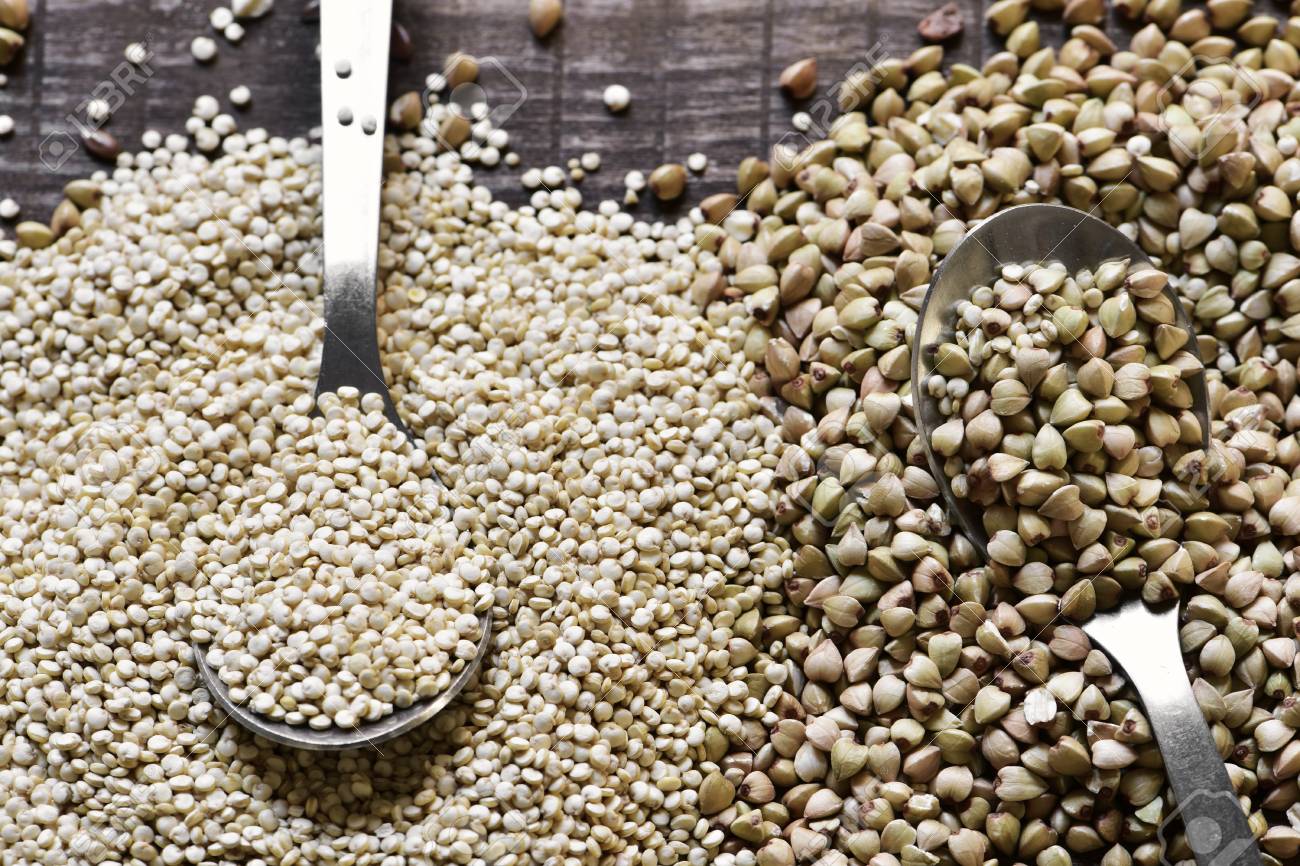
Image result for quinoa vs buckwheat

1 cup of Quinoa or Buckwheat
Dates 5-10 and/or
Apricots 5-10 and/or
Figs 5-10 and/or
Prunes 5-10
Milk of choice (I use almond/hemp/coconut/flax)-add until you reach desired consistency (about 3-4 cups for me)
Sunbutter 16 oz jar
Avocados 3-4 
Maple Syrup to taste (optional)

The original recipe was written using quinoa but after a food sensitivity and gut test we discovered that buckwheat is a better fit for Emma than quinoa. 

Image result for buckwheat health benefits

While many people think that buckwheat is a cereal grain, it is actually a fruit seed that is related to rhubarb and sorrel making it a suitable substitute for grains for people who are sensitive to wheat or other grains that contain protein glutens. Buckwheat flowers are very fragrant and are attractive to bees that use them to produce a special, strongly flavored, dark honey.  This makes it an excellent meat substitute.

High protein buckwheat flour is being studied for possible use in foods to reduce plasma cholesterol, body fat, and cholesterol gallstones.


“The properties of buckwheat are: Neutral thermal nature; sweet flavor; cleans and strengthens the intestines and improves appetite. Is effective for treating dysentery and chronic diarrhea.”  According to Paul Pitchford in Healing with Whole Foods

If using buckwheat rinse 1 cup buckwheat then boil in 
2 1/2 cups water 10-15 minutes until water is gone.


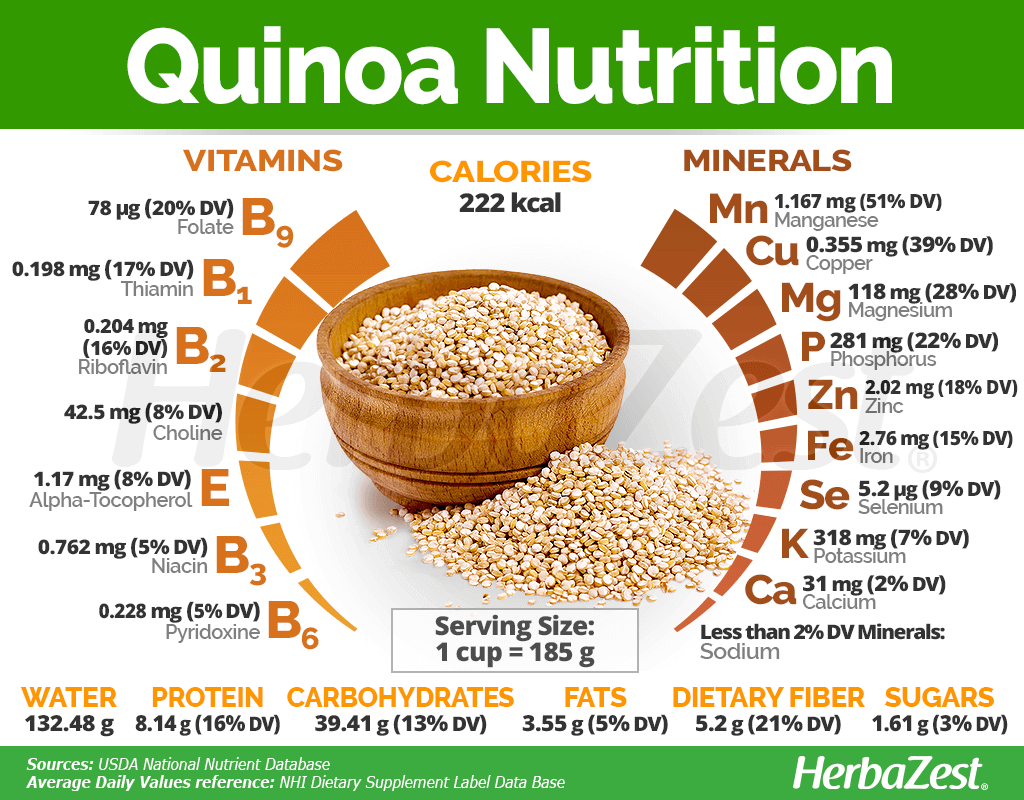
Quinoa Nutrition


If using quinoa rinse and cook in insta-pot for 1 minute with 1.5 cups of water.  Add cooked quinoa and the rest of the ingredients to a blender until smooth.

Quinoa is non-GMO, gluten free and usually grown organically.  It is considered a whole-grain crop that is grown for its edible seeds.  For good reason it was referred to by the Inca Empire as the "mother of all grains" and believed to be sacred.  Most quinoa properties are determined by a high amount of essential amino acids, which are transformed into bio-available protein.  Quinoa possesses eight amino acids that the human body can not produce.  They are considered essential for transforming into protein and muscle but also for aiding in many other metabolic functions.

These amino acids include isoleucine, a blood glucose-lowering amino acid; leucine, which is crucial for building and maintaining muscle mass; lysine and methionine, both required for growth and tissue repair; phenylalanine, which plays a key role in the biosynthesis of other amino acids; threonine, an immunostimulant that promotes endocrine health; tryptophan, which is required for infant growth and brain serotonin synthesis; and valine, which promotes mental vigor, muscle coordination, and emotional calmness.

Quinoa is a powerhouse of minerals, including manganese, copper, magnesium, phosphorus, iron, and zinc, all of which are necessary for cellular metabolism, as well as for healthy bones and the well-functioning of nerves and muscles. It also provides adequate levels of potassium and selenium, both important for the nervous and immune systems.

This Andean grain is a good source of B complex vitamins, mainly B1 (thiamin), B2 (riboflavin), and B9(folate), and its nutritional value is rounded by adequate amounts of B3 (niacin) and B6 (pyroxidine), as well as choline and vitamin E (alpha-tocopherol).

So I was excited to try something new with Emma and of course she turned her nose up after a few bites.  I was a little nervous about it because the consistency is very similar to oats and she is not a fan of oats.  But as with everything else, I was not going to give up that fast.  Knowing that she prefers cold to hot I decided to try something different. So I started adding some even more power foods.


Figs:  Great help enhance digestion and regulate bowel movements.  They are beneficial for respiratory passages.  Figs contain phenolic compounds, mostly flavonoids, organi acids, anthocyanins, and coumarins, all of which have powerful antioxidant actions that contribute to enchance all body functions, including immune system, warding off diseases and promoting cellular regenerations-even better than red wine (which come to think of it may go good together moms). Figs are also rich in dietary fiber.

Apricots:  Apricots are an excellent source of beta carotene, providing 30% of the recommended daily value. They also provide high amounts of vitamin C (ascorbic acid), potassium and fiber.  Apricots are rich in phenolic compounds, which have great antioxidant, cardioprotective properties, but boast the highest levels of carotenoids, necessary to maintain the health of eyes and skin, as well as for preventing degenerative diseases.

Dates:  Dates are high in polyphenols, fiber and potassium.  They promote stronger bones and teeth and boosts the immune system. Dates are rich in vitamins B6, A and K.  They improve intestinal health and improve the metabolism and immunity as well.  Good source of folate, thiamin, niacin and riboflavin.


Maple Syrup:  Contains over 65 antioxidants, helps fight inflammatory and neurodegenerative disease, may protect against cancer, helps protect skin health and it has high amounts of zinc and manganese.

Sunbutter:  High in protein, loaded in Vitamin E, magnesium, aids digestion and high in healthy fats. 


Add all to blender with milk of choice and blend until smooth.  I freeze, just as I do my avocado ice cream.  Emma will eat this for a snack and also for breakfast.  Super fun to get "ice-cream" for breakfast now isn't it?


ENJOY!!

For more information on gut testing and food sensitivity please visit Viome.


Tuesday, August 25, 2015

Should you use a microwave?

In an effort to improve the health of our family, I am always examining our food system and environment.  I rarely used the microwave my husband had when we got married.  As we continued to create a healthy home, I came across an experiment involving a microwave, where the person had two plants, one of which was watered with microwaved water and one with tap water.  The plant given the microwaved water died very quickly, but there was much criticism to the validity of this crude experiment.  So, I decided to try it for myself. 

First, I took two clippings off of the same wandering purple jew ( Tradescantia pallid, which is notoriously difficult to kill in my experience) and placed them in identical mason jars on the same kitchen windowsill.  One was watered only with cooled tap water that had been boiled in the microwave.  The second one was watered only with cooled tap water that had boiled on the stove.   I continued this for 90 days.  I am only posting the beginning and final pictures, but it was clearly evident within one week how this was going to turn out.

 BEFORE PICTURE
 
90 DAYS LATER
 
Dried leaves, minimal color, little growth


Large leaves, deep, rich purple leaves with lengthy growth


Small pale roots


Large, colorful root system


The pictures speak for themselves.  It was as if the water that had been microwaved was void of the necessary nutrients for the plant to grow and flourish.  What is it doing to our food that already does not have the same nutrients it did years before due to altered soil composition?  Do your vegetables have any value after they have been microwaved?  One of my goals as a mom is to feed my children nutrient dense foods and eliminating the microwave was a step in the right direction for us.
 
 
Dr Mercola states in this article that microwaves deplete the nutritional value of food; leak radiation that the FDA considers "insignificant"; can affect your heart; leak carcinogenic toxins from the plastic or paper used to cover or cook your food; or leave hormone disrupting chemicals behind.  Read full article here:  http://articles.mercola.com/sites/articles/archive/2010/05/18/microwave-hazards.aspx
 
 
Dr Josh Axe has a quick informative 4 minute video discussing the cumulative effects of long term, low dose radiation, such as from microwaves. http://articles.mercola.com/sites/articles/archive/2010/05/18/microwave-hazards.aspx
 
 
Many blessings,
Robin


Sunday, November 2, 2014

New Analysis Concludes Organic Food Really Is Healthier


 Look For The Label


Look for the USDA Organic & Non-GMO Project Verified labels


New Analysis Concludes Organic Food Really Is Healthier

By Dr. Mercola
Are organic foods healthier, and therefore worth the extra expense? The scientific debate over this issue has raged on for many years now. I believe the answer is clear-cut, at least if you believe that toxic chemicals have the capacity to harm your health...
Two years ago, meta-analysis by Stanford University received widespread media coverage, and with few exceptions, conventional media outlets used it to cast doubt on the value of an organic diet.
This despite the fact that the analysis—which looked at 240 studies comparing organically and conventionally grown food—found that organic foods are less contaminated with agricultural chemicals. In an effort to further clarify the 2012 findings, a group of European scientists evaluated an even greater number of studies, 343 in all, published over the last several decades.

OrganicFestival NonGMO 0910 320x320 Organics Means Non GMO


Organic Foods Have Higher Levels of Important Antioxidants

Just like the Stanford study, the new analysis also found that while conventional and organic vegetables oftentimes offer similar levels of many nutrients, organic foods have fewer pesticide residues. They also have on average 48 percent lower levels of cadmium, a toxic metal and a known carcinogen—a clear bonus, if you ask me.
One key nutritional difference between conventional and organics however, is their antioxidant content. According to the featured findings, organic fruits and vegetables can contain anywhere from 18-69 percent more antioxidants than conventionally-grown varieties. According to the authors:
“Many of these compounds have previously been linked to a reduced risk of chronic diseases, including cardiovascular disease and neurodegenerative diseases and certain cancers, in dietary intervention and epidemiological studies.
Additionally, the frequency of occurrence of pesticide residues was found to be four times higher in conventional crops... Significant differences were also detected for some other (e.g. minerals and vitamins) compounds.” [Emphasis mine]
Antioxidants are a very important part of optimal health, as they can control how fast you age by fighting free radicals. So the fact that organic foods contain far higher levels of them vouches for the stance that organic foods are healthier in terms of nutrition, in addition to being lower in pesticides.
Co-author Charles Benbrook notes that one reason you’re advised to eat more fruits and vegetables is in fact to get more antioxidants into your diet. “And if organic produce provides more of them, we think that's a big deal,” he says. I couldn’t agree more.
There are also a number of other studies that support the claim that organically grown produce contain higher levels of nutrients in general. For example, in 2010 PLOS ONE published a study that was partially funded by the USDA, which found that organic strawberries were more nutrient-rich than non-organic strawberries.

Nutrient Content in Food Has Dramatically Declined

Ironically, LA Times noted that “It's not entirely clear to scientists whether the human body can absorb the extra antioxidants in organic foods and put them to use.” To me, this line of reasoning shows a remarkable depth of ignorance, if not outright deception.

The nutrient content of foods has dramatically declined across the board since the introduction of mechanized farming in 1925. For example, as explained by Dr. August Dunning, chief science officer and co-owner of Eco Organics, in order to receive the same amount of iron you used to get from one apple in 1950, by 1998 you had to eat 26 apples!  
Were people prior to the 1950s eating foods that were “unnecessarily” nutrient-dense? Was most of their diet superfluous, in terms of the amount of nutrients a body can get by on?  
The idea that your body wouldn’t put the extra nutrients to good use is just plain silly! You did not suddenly develop a new set of genetic instructions over the past 60+ years that allow your body to thrive on toxins and “not know what to do” with antioxidants! So please, do not fall for that kind of nonsense. 
One of the primary reasons food doesn’t taste as good as it used to is also related to the deterioration of mineral content. The minerals actually form the compounds that give the fruit or vegetable its flavor. All of these issues go back to the health of the soil in which the food is grown.11
Healthy soils contain a huge diversity of microorganisms, and it is these organisms that are responsible for the plant’s nutrient uptake, health, and the stability of the entire ecosystem. The wide-scale adoption of industrial agriculture practices has decimated soil microbes responsible for transferring these minerals to the plants.
In 2009, the American Association for the Advancement of Science featured a presentation on soil health and its impact on food quality, concluding that healthy soil indeed leads to higher levels of nutrients in crops.
Agricultural chemicals destroy the health of the soil by killing off its microbial inhabitants, which is one of the primary problems with modern farming, and the reason why the nutritional quality of conventionally-grown foods is deteriorating. As reported by Scientific American14 back in 2011:
“A landmark study on the topic by Donald Davis and his team of researchers from the University of Texas (UT) at Austin’s Department of Chemistry and Biochemistry was published in December 2004 in the Journal of the American College of Nutrition.
They studied U.S. Department of Agriculture nutritional data from both 1950 and 1999 for 43 different vegetables and fruits, finding ‘reliable declines’ in the amount of protein, calcium, phosphorus, iron, riboflavin (vitamin B2) and vitamin C over the past half century.
Davis and his colleagues chalk up this declining nutritional content to the preponderance of agricultural practices designed to improve traits (size, growth rate, pest resistance) other than nutrition... The Organic Consumers Association cites several other studies with similar findings: A Kushi Institute analysis of nutrient data from 1975 to 1997 found that average calcium levels in 12 fresh vegetables dropped 27 percent; iron levels 37 percent; vitamin A levels 21 percent, and vitamin C levels 30 percent.”

Contemporary Industrial Agriculture Decimates Soil Microbes

The photographic adventure of NPR commentator and science writer Craig Childs offers a clear view of the death and destruction brought on by modern agriculture—genetic engineering-based monoculture in particular. Childs decided to replicate a photo project by David Liittschwager, a portrait photographer who spent years traveling the world dropping one-cubic-foot metal frames into gardens, streams, parks, forests, and oceans, photographing anything and everything that entered the frame. Around the world, Liittschwager's camera captured thousands of plants, animals, and insects within the cubes, with entirely different “worlds” of plants and animals living as little as a few feet away from each other.
However, when Childs set up his camera among the genetically engineered corn stalks on a 600-acre farm in Iowa, he found NO signs of life with the exception of an isolated spider, a single red mite, and a couple grasshoppers...  
The fact of the matter is that the "faster, bigger, cheaper" approach to food is slowly draining dry our planet's resources and compromising your health. The earth's soil is depleting at more than 13 percent the rate it can be replaced. We have already lost 75 percent of the world's crop varieties over the last century. Over the past 10 years, we've had 100 million tons of herbicides dumped onto our crops, polluting our soil and streams. And genetically engineered (GE) crops are now speeding up the destructive process by completely altering the composition of soil bacteria in the fields where such crops are grown.


Pesticide Exposure May Be Greater Than Reported, Thanks to GMOs

It’s worth noting that certain types of pesticides are not even counted when researchers assess pesticide contamination on food. The soil bacteria Bacillus thuringiensis (Bt), produces Bt toxin—a pesticide that breaks open the stomach of certain insects and kills them. This pesticide is actually permitted in organic farming, where it’s applied topically. It’s known to photodegrade over time, making it fairly harmless by the time the food reaches your plate.  
However, genetically engineered “Bt” crops, such as Bt corn, are equipped with a gene from the Bt soil bacteria. These plants actually produce the Bt toxin internally, in every cell of the plant, from root to tip. This plant-produced version of the poison is thousands of times more concentrated than the topical spray. It cannot be washed off, and it does not photodegrade. This internal Bt toxin is not counted in pesticide counts, yet it’s present in every single kernel!

The Health Hazards of These Pesticide-Producing Plants

Monsanto and the EPA consistently claimed that the genetically engineered Bt corn would only harm insects. The Bt toxin produced inside the plant would be completely destroyed in the human digestive system and would not have any impact at all on consumers, they claimed. These claims have since turned out to be false. In 2011, doctors at Sherbrooke University Hospital in Quebec found Bt-toxin in the blood of:15
  • 93 percent of pregnant women tested
  • 80 percent of umbilical blood in their babies
  • 67 percent of non-pregnant women
The study authors speculated that the Bt toxin was likely ingested via the normal diet of the Canadian middle class—which makes sense when you consider that genetically engineered (GE) corn is present in the vast majority of all processed foods and drinks in the form of high fructose corn syrup, corn oil, and other corn products. They also suggested that the toxin may have come from eating meat from animals fed Bt corn, which most livestock raised in confined animal feeding operations (CAFOs) are. Other research16 has revealed that the Bt toxin produced in GE plants is toxic to humans and mammals, and triggers immune system responses, including:
  • Elevated IgE and IgG antibodies, which are typically associated with allergies and infections
  • An increase in cytokines, which are associated with allergic and inflammatory responses. The specific cytokines (interleukins) that were found to be elevated are also higher in humans who suffer from a wide range of disorders, from arthritis and inflammatory bowel disease to MS and cancer
  • Elevated T cells (gamma delta), which are increased in people with asthma, and in children with food allergies, juvenile arthritis, and connective tissue diseases

Why Spraying Antibiotics on Fields Is a BAD Idea

As suggested earlier, some pesticides have antibiotic properties, and very effectively and aggressively kill off the microorganisms in the soil. Glyphosate is a perfect example, and is one of the primary pesticides used on other types of GE crops, particularly those known as “Roundup Ready.” These crops are engineered to withstand otherwise lethal doses of the chemical. The idea is that by being “immune” to the chemical, only weeds will be killed off, allowing farmers to liberally spray their fields.  
But when farmers spray glyphosate on their fields, not only are they destroying the fertility of the soil, they’re also promoting chemical resistance in the field AND antibiotic resistance in the human food chain... Indeed, weeds have developed resistance to glyphosate, making the weed problem an ever-worsening one. But that’s not all. Livestock raised in confined animal feeding operations (CAFOs) are routinely fed GE feed—typically GE corn and soy—which destroys the animal’s gut bacteria and promotes disease.
And, feces from animals raised in CAFOs are used as fertilizer on crop fields, which scientists now admit is yet another way antibiotic-resistant disease appears to be promulgated! Modern agriculture is truly stuck in a vicious circle where the “garbage in-garbage out” motto rules supreme...

Read National Geographic's article Is Genetically Engineered Food A Fraud? for additional information.


So What Do We Do:


Not all local farmers are pesticide or GMO free.  Make sure you ask before you buy.  We live in Cabot and have a very popular roadside fruit and veggie vendor Holland Bottom Farms.  If you stopped by their location or visited their website you might assume they are free of pesticides but that is very far from the truth.  I asked repeated if they used ANYTHING on their crops and they were very hesitant to answer and avoided the questions.  I asked point blank and they did admit that they do.  They stated that their food has not, "killed anyone yet".  Know what you are buying and who you are buying from.   Make sure they are from trustworthy farmers.

Know the difference

Organic Vs. Natural


Certified organic products cannot intentionally include any GMO ingredients. Buy products labeled “100% organic,” “organic,” or “made with organic ingredients.” You can be doubly sure if the product also has a Non-GMO Project Verified Seal.


Made with Non-GMO Ingredients logo icon
Look for Non-GMO Project Seals
Products that carry the Non-GMO Project Seal are independently verified to be in compliance with North America’s only third party standard for GMO avoidance, including testing of at-risk ingredients. The Non-GMO Project is a non-profit organization committed to providing consumers with clearly labeled and independently verified non-GMO choices. Look for dairy products labeled "No rBGH or rBST,” or “artificial hormone-free.”


Kellogg's Frosted Flakes, Sara Lee, and More Processed Food Products may contain GMOs

Avoid at-risk ingredients

If it’s not labeled organic or verified non-GMO: Avoid products made with ingredients that might be derived from GMOs (see list). The eight GM food crops are Corn, Soybeans, Canola, Cottonseed, Sugar Beets, Hawaiian Papaya (most) and a small amount of Zucchini and Yellow Squash.


Sugar If a non-organic product made in North American lists “sugar” as an ingredient (and NOT pure cane sugar), then it is almost certainly a combination of sugar from both sugar cane and GM sugar beets.


Dairy Products may be from cows injected with GM bovine growth hormone. Look for labels stating No rBGH, rBST, or artificial hormones.

DOWNLOAD THE SHOPPING GUIDE & TIPS BROCHURE
 Interesting stuff on juice #righttoknow


Monday, March 3, 2014

Environmental Working Groups’s 2014 Shopper’s Guide To Avoiding GE Food


Consumers have the right to know if their food has been genetically engineered. However, the U.S. government does not require labeling of GE foods or ingredients so that shoppers can make informed decisions. More than 60 other nations, including France, Germany, Japan, Australia, Russia, China and the United Kingdom, require GE labeling (Center for Food Safety, 2013a).
Scientists have not determined whether GE food poses risks to human health. Still, consumers have many good reasons to avoid eating genetically engineered ingredients, including:

Few safety studies: The federal government requires strict safety evaluations before new drugs go on the market but does not mandate similar safety studies for genetically engineered crops.  The government does not require that GE food be tested for carcinogenicity, for harm to fetuses or for risks over the long term to animals or humans.  Few such studies have been conducted by independent scientific institutions.

Superweeds and more toxic pesticides: Genetically modified, herbicide-tolerant crops have spurred so-called “superweeds,” pest plants that have mutated to survive herbicides. More than 61million acres of American farmland are infested with Roundup-resistant weeds (Farm Industry News 2013).  A 2012 survey conducted by the marketing research group Stratus Agri Marketing found that nearly half of American farmers reported finding superweeds in their fields (Stratus Agri Marketing 2013). To control these hardy plants, many farmers have resorted to older, more toxic herbicides like dicamba, and 2,4-D. Both dicamba and 2,4-D are known to cause reproductive problems and birth defects and pose increased risks of cancer.

Increased pesticide use:  Herbicide resistance has led to more, not less, herbicide use. According to estimates published in 2012 by Charles M. Benbrook, research professor at the Center for Sustaining Agriculture and Natural Resources at Washington State University, herbicide-tolerant crops that stimulated superweed growth caused farmers to use 527 million pounds more herbicide between 1996 and 2011 than would have been the case if those farmers had planted only non-GE crops (Benbrook 2012).

Cross-contamination: According to the International Service for the Acquisition of Agri-biotech Applications (ISAAA), a non-profit group that records the global status of biotech crops, almost 70 million hectares of GE crops were planted in the U.S. in 2012 (ISAAA 2012), up from 64 million hectares in 2009 (ISAAA 2009). As GE crops proliferate, many organic farmers must struggle to prevent cross-contamination of their crops by GE seed or pollen spread by wind, insects, floods and machinery. Unintended GE contamination has become a major issue for organic growers hoping to sell their crops in places that strictly regulate or ban GE foods. According to an estimate by the Union of Concern Scientists, potential lost income for farmers growing organic corn may total $90 million annually (Union of Concerned Scientists 2001).

The agricultural chemical industry developed genetically engineered crops and introduced them to the market with the promise of significantly higher crop yields. While crop yields may in fact be on the rise, the contribution of GE technology is a matter of considerable debate. Some groups attribute the increase in yields to improvements in conventional agriculture (Union of Concerned Scientists 2009).  Any benefits provided by GE technology have been overshadowed by increased use of toxic pesticides and proliferation of herbicide-resistant weeds.  


Three ways to avoid GE food

Until Congress or state governments enact mandatory labeling of GE ingredients in food, American shoppers are left in the dark. So if they want to avoid food with GE ingredients, what are they to do?
USDA Organic LogoOption 1: Buy organic. National and state organic certification rules do not allow genetically engineered foods to be labeled “organic.”  When you buy organic, you buy food free not only of synthetic pesticides but also GE ingredients.
 
Option 2: Buy food certified as “Non-GMO Project Verified.”  The non-profit organization Non-GMO Project operates a detailed, voluntary certification process so that food producers can test and verify that, to the best of their knowledge, they have avoided using GE ingredients in their products. The Non-GMO Project is the only organization offering independent verification for GMO products in the U.S. and Canada (Non-GMO Project 2014). (GMO stands for “genetically modified organism,” a term interchangeable with “genetically engineered” or “GE.”)

Option 3: Use EWG’s Shopper’s Guide to Avoiding GE Food to find foods made without ingredients likely to be genetically engineered. Eating only organic and certified GE-free food is not an option for some people. EWG’s Shopper’s Guide to Avoiding GE Food helps consumers find products made without ingredients that are likely to be genetically engineered.  As well, it aims to help shoppers decide which products are the most important to buy organic or certified GE-free.


The Factory Four: The most common GE ingredients in food

Avoiding GE ingredients isn’t easy. In fact, some estimates indicate that more than 75 percent of the food in supermarkets is genetically engineered or contains GE ingredients (Center for Food Safety 2013b).  Consumers need to know what to look for to make informed purchasing decisions.
Here are the four most common GE foods and ingredients:

Field corn and corn-derived ingredients
The U.S. is the world’s largest corn producer. According to the U.S. Department of Agriculture, last year, American farmers planted more corn than any other crop, covering 95 million acres.   (USDA 2013a).  Some 90 percent of corn grown in the U.S. is genetically engineered (USDA 2013b). Most of the crop is field corn cultivated for animal feed, but about 12 percent is processed to corn flour, high fructose corn syrup, corn starch, masa, corn meal and corn oil that end up in foods consumed by people (EPA 2013). Consumers should assume that those ingredients in processed food are genetically engineered.  Less than one percent of the American corn crop is sweet corn, also known as table corn (Iowa State University 2011).

Soybeans and soybean-derived ingredients
Soybeans are the second most planted American crop, covering more than 76 million acres last year (USDA 2013a). Some 93 percent of soybeans grown in this country have been genetically engineered (USDA 2013b). Soybean-based products and soybean-derived ingredients are common on supermarket shelves.  Consumers should assume that products whose labels disclose the presence of soy proteins, soybean oil, soy milk, soy flour, soy sauce, tofu or soy lecithin have been made with GE ingredients unless they are certified organic or GE-free.

Sugar

About 55 percent of the sugar produced in the U.S. comes from sugar beets, 95 percent of which have been genetically engineered (USDA 2013c).  If a product label does not specify that it has been made with “pure cane” sugar, chances are significant that it contains GE beet sugar.

Vegetable oils
Consumers should assume that vegetable oil, canola oil, cottonseed oil, soybean oil and corn oil  are genetically engineered. About 90 percent of American oilseed production is soybeans, which are almost entirely genetically engineered (USDA 2013b). The remaining 10 percent of oilseed crops are cottonseed, sunflower seed, canola, rapeseed, and peanut.  Canola and cottonseed oil primarily come from GE varieties. More than 90 percent of corn oil is derived from genetically engineered corn.


Watch list: Foods that could be GE
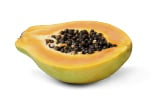

Papaya: According to the Hawaiian Papaya Industry Association, more than 75 percent of Hawaiian papaya is genetically engineered to resist the ringspot virus (Hawaiian Papaya Industry Association 2013).

Zucchini and yellow summer squash: A few varieties of squash are genetically engineered.   Without adequate labeling, concerned consumers can’t spot GE varieties. If you want to be sure, opt for organic varieties.

Sweet corn:  Most sweet corn sold in supermarkets and farm stands is not grown from genetically engineered seeds, but a few varieties are, so it’s best to buy organic sweet corn.
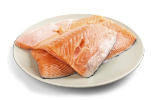
Many other GE foods could be coming soon to a grocery store near you.  These have either been approved by the federal Food and Drug Administration or are being considered for approval. Among them: salmon, flax, plums, potato, radicchio, rice, tomato and wheat (FDA 2014).

The FDA is considering a producer’s application for GE AquAdvantage salmon. Normal salmon produce growth hormones only in summer months. These fish produce them year round and grow at twice the normal rate. If the FDA approves AquAdvantage salmon, it will be the first genetically engineered animal available in American supermarkets.

The FDA faces two other controversial decisions:  whether to approve apples genetically modified to not to turn brown when sliced, peeled or bruised and new varieties of corn and soybean genetically modified to resist the toxic herbicide 2,4-D (USDA 2013e, 2013f).


References:
Benbrook, C. (2009) Impacts of genetically engineered crops on pesticide use in the U.S.: the first thirteen years. Available: http://www.organic-center.org/reportfiles/GE13YearsReport.pdf Accessed January 6, 2014.
Benbrook, C. (2012) Impacts of genetically engineered crops on pesticide use in the U.S. – the first sixteen years. Environmental Sciences Europe 2012, 24:24 
Center for Food Safety (2013a) International Labeling Laws. Available: http://www.centerforfoodsafety.org/issues/976/ge-food-labeling/international-labeling-laws# Accessed January 7, 2014.
Center for Food Safety (2013b) About Genetically Engineered Foods. Available: http://www.centerforfoodsafety.org/issues/311/ge-foods/about-ge-foods Accessed January 7, 2014.
Environmental Protection Agency (2013) Major Crops Grown in the United States. Available: http://www.epa.gov/oecaagct/ag101/cropmajor.html Accessed December 3, 2013.
Farm Industry News (2013) Glyphosate-resistant weed problem extends to more species, more farms. Available: http://farmindustrynews.com/herbicides/glyphosate-resistant-weed-problem-extends-more-species-more-farms Accessed December 8, 2013.
Food and Drug Administration (2014). Completed Consultations on Bioengineered Foods. Available: http://www.accessdata.fda.gov/scripts/fcn/fcnNavigation.cfm?rpt=bioListing&displayAll=false&page=1 Accessed January 9, 2014.
Hawaiian Papaya Industry Association (2013) Hawaii Grown Papayas: The Rainbow Papaya Story. Available: http://www.hawaiipapaya.com/rainbow.html Accessed November 25, 2013.
International Service for the Acquisition of Agri-biotech Applications (ISAAA) (2009) Global Status of Commercialized Biotech/GM Crops: 2009 – The First Fourteen Years, 1996 to 2009. Available: http://www.isaaa.org/resources/publications/briefs/41/executivesummary/default.asp Accessed January 7, 2014.
International Service for the Acquisition of Agri-biotech Applications (ISAAA) (2012) Global Status of Commercialized Biotech/GM Crops: 2012. Available: http://www.isaaa.org/resources/publications/briefs/44/executivesummary/default.asp Accessed January 7, 2014.
Iowa State University (2011) Corn Production: Common Corn Questions and Answers. Available: http://www.agronext.iastate.edu/corn/corn-qna.html Accessed January 7, 2014.
Non-GMO Project (2014) The “Non-GMO Project Verified” Seal. Available: http://www.nongmoproject.org/learn-more/understanding-our-seal/ Accessed January 7, 2014.
Stratus Agri Marketing (2013) Glyphosate Resistant Weeds – Intensifying. Available: http://www.stratusresearch.com/blog07.htm Accessed January 7, 2014
Union of Concerned Scientists (2001) Union of Concerned Scientists Comments to the Environmental Protection Agency on the renewal of BT-Crop Registration. Docket OPP-00678B. Available: http://web.peacelink.it/tematiche/ecologia/bt_renewal_ucs.pdf Accessed January 6, 2014.
Union of Concerned Scientists (2009) Genetic Engineering has Failed to Significantly Boost U.S. Crop Yields Despite Biotech Industry Claims. Available: http://www.ucsusa.org/news/press_release/ge-fails-to-increase-yields-0219.html Accessed January 7, 2014.
U.S. Department of Agriculture (2013a) National Statistics by Subject. Available: http://www.nass.usda.gov/Statistics_by_Subject/index.php Accessed December 3, 2013.
U.S. Department of Agriculture (2013b) Adoption of genetically engineered crops in the U.S. Available: http://www.ers.usda.gov/data-products/adoption-of-genetically-engineered-crops-in-the-us.aspx#.Up5PL40h0jU Accessed December 3, 2013.
U.S. Department of Agriculture (2013c) US sugar production. http://www.ers.usda.gov/topics/crops/sugar-sweeteners/background.aspx#.UpN_gI0h0jU Accessed November 25, 2013
U.S. Department of Agriculture (2013d) Organic 101: Can GMOs be used in organic products. Available: http://blogs.usda.gov/2013/05/17/organic-101-can-gmos-be-used-in-organic-products/ Accessed December 8, 2013.
U.S. Department of Agriculture (2013e) Dow AgroSciences Petitions (09-233-01p, 09-349-01p, and 11-234-01p) for Determinations of Nonregulated Status for 2,4-D-Resistant Corn and Soybean Varieties. Draft Environmental Impact Statement—2013. Available: http://www.aphis.usda.gov/brs/aphisdocs/24d_deis.pdf Accessed January 9, 2014.
U.S. Department of Agriculture (2013ef) Okanagan Specialty Fruits, Inc.; Availability of Plant Pest Risk Assessment and Environmental Assessment for Determination of Nonregulated Status of Apples Genetically Engineered To Resist Browning. [Docket No. APHIS–2012–0025] Federal Register 78:251 (December 31, 2013) p 79658. Available: http://www.aphis.usda.gov/brs/fedregister/USDA_20131104.pdf Accessed January 9, 2014.
 

Friday, January 24, 2014

Homemade Elderberry Syrup

Elderberry Syrup

Elderberry is the fruit of the elder tree, and as a supplement it is often used for colds and flu.


Why do people take elderberry?


Elderberries contain natural substances called flavonoids. They seem to help reduce swelling, fight inflammation, and boost the immune system.
Studies have found that elderberry eases flu symptoms like fever, headache, sore throat, fatigue, cough, and body ache. The benefits seem to be greatest when started within 24 to 48 hours after the symptoms begin. One study found that elderberry could cut the duration of flu symptoms by more than 50%.
Lab studies have found that elderberry might be effective against H1N1, or swine flu. 
A few studies have suggested that elderberry could help with bacterial sinus infections or bronchitis. More research needs to be done.
People use elderberry for high cholesterol, HIV, and many other conditions.

Where do I get it?

That is what brings me to this post.  After buying for a year I wanted to attempt to make it myself.  We use elderberry to help us stay healthy during cold and flu season.  If one of us start to feel ill I will up the daily dose from once a day to three times a day and my immune system really kicks into overdrive.  Again, I know exactly what is going in. 


Ingredients:

2 cups dried elderberries
6 whole Chinese star anise
18 whole cloves
13 cups water
4 cups raw local honey
4 whole cinnamon sticks
1 ginger root (large or small is your choice, depending on how much you like ginger)

All of my ingredients come from Mountain Rose Herbs except for honey and ginger. https://www.mountainroseherbs.com/


Make sure you buy your honey local for added benefits.  Why local?  Taking a high-quality raw local honey for two months before allergy season can actually lessen your allergies. Bees carry the pollen that aggravates seasonal allergies, and some of that pollen becomes part of the honey. Consuming honey daily before allergy season can help your body grow accustomed to the pollen and immunize your body against it.


Thinly slice ginger and add to pot.

 
Add dried elderberries,

 
cinnamon sticks, star of anise,

 
and cloves. 

 
Last add water and bring to a boil.  Lower to a simmer for 1 hour.
Cover pot with cracked lid.  I prop a wooden spoon under one side of my lid.  After one hour remove from heat and let steep for a bit.  It will become a wonderful deep purple.  I let mine sit for about 15 minutes.

 
Last run through a strainer to remove the solid ingredients.
 
 
With a candy thermometer allow to cool to 110 degrees.
 
 
Next add honey and stir until fully dissolved.
 
 
Here is my finished product.

 
We all take this daily.  When someone starts getting a sickness we will double and triple up on the dose.
 
I have had a lot of people that are interested in purchasing the Elderberry instead of making it themselves.
 
If you are interested in buying it directly from me please feel free to email me a tsambeau@yahoo.com.
 
8 oz bottle is $15.00
16 oz bottle is $25.00


Sunday, December 8, 2013

Homemade Baby Wipes


For so long I thought, "why make them when they are so easy to buy and I really do not need to add one more thing to my list".  Well I finally did it months ago and I am so glad that I did, we will never go back to store bought wipes.  They are so cheap and easy to make, in fact I still have the original ingredients that I purchased to make these wipes.  I am only now about to reorder.  The best part about it....I know exactly what is going on my children's skin.
 
As always, when researching something I was stunned at the REAL ingredients .  Why would I assume that this would be any different?  When doing my research I found it very difficult to find out what all of the ingredients in wipes are.  The harder it is to find ingredients on something the more suspicious I get.  I looked and looked and looked and could not find where Huggies disclosed what all of the ingredients are in their wipes.  I could find some ingredients online, only the ones that we all know are good though.  They did not mind disclosing aloe, cotton, and vitamin E, unfortunately they do spin the other ingredients as many companies do.   Finally I had to turn to the box and another mother who researched the same subject.
 
All baby wipes contain water, skin conditioners, product enhancers, synthetic cleansers and synthetic preservatives (to prevent the growth of bacteria).  In each ingredient category, ingredients vary on the scale of toxicity. As Irina Webb, writer of "I Read Labels For You" states, "All baby wipes use synthetic cleansers and most of them (even plant-based ones) use toxic chemicals in their manufacture.  Product enhancing ingredients are relatively ok, although some of them may be quite toxic.  As for preservatives (and they have to be used in baby wipes because a moist environment is a breeding ground for bacteria), they are the most problematic group in baby wipes.  There are no synthetic preservatives that are absolutely free of any concerns."  Again, it is a matter of toxicity degree.


Huggies Baby Wipes
 
Huggies describes their baby wipes as “Natural Care” baby wipes.  But what do they mean by “Natural?”  Let’s take a look at Huggies baby wipes ingredients and see for ourselves if they are truly natural and if their manufacturer made choices that are in the best interests of babies.  Apparently, there are a few different formulations.  And from what Irina Webb discovered, this formulation is not the most toxic.


Huggies Baby Wipes Cleansers

There are two synthetic cleansers in the Huggies baby wipes, which are potassium laureth phosphate and polysorbate-20.  These cleansers have something in common.  To produce them, a carcinogenic chemical, ethylene oxide, is used to make harsh petrochemicals less irritating to the skin.  There are three problems with that: 1. The manufacturing process is toxic; 2. The cleansers remain irritating to the skin; 3. Ethylene oxide produces carcinogenic 1,4-dioxane that may remain in the final product (for more information see Irina's post ”1,4-Dioxane in Cosmetics and Personal Care and Cleaning Products” post).  Often manufacturers do not make an effort to remove 1,4-dioxane from the final products, even though it is not expensive to do. According to a 2008 Organic Consumer Association and EWG study, 46% of personal care products and 57 percent of baby soaps are contaminated with 1,4-dioxane, and not much has been done since then to fix this situation (http://www.ewg.org/skindeep/ingredient/726331/1,4-DIOXANE/).


Huggies Baby Wipes Preservatives

There are two preservatives used in Huggies baby wipes, which are methylisothiazolinone and methylparaben,  Baby wipes are a breeding ground for bacteria because of their moist environment, this is why the preservatives are added.  Why so many companies refuse to use essential oils that serve the same purpose is infuriating to me, especially when it is a product for our babies.  There are no absolutely non-toxic synthetic preservatives; however, some preservatives are more toxic than others. Methylisothiazolinone and methylparaben are potent toxins. Methylisothiazolinone may cause an allergic skin reaction and lab studies in mice suggest that it may be toxic to brain cells (http://www.ewg.org/skindeep/ingredient/703935/METHYLISOTHIAZOLINONE/). The major concern about methylparaben is that it mimics estrogen and disrupts the function of the hormone system (http://www.ewg.org/skindeep/ingredient/703937/METHYLPARABEN/#).


Huggies Baby Wipes Enhancers

Tetrasodium EDTA and malic acid are two ingredients used to help Huggies baby wipes do their work. Tetrasodium EDTA is a chelating agent and malic acid is a ph-adjuster.  The EWG gives a favorable rating for Tetrasodium EDTA of only 2 out 10, with 10 being the most toxic (http://www.ewg.org/skindeep/ingredient/706510/TETRASODIUM_EDTA/).  However, there are other sources on the Internet that consider it much more toxic.  Irina looked at the Tetrasodium EDTA MSDS (Material Safety Data Sheet) and what stood out for her the most was as follows, “The toxicological properties of this substance have not been fully investigated.” (http://www.sciencelab.com/msds.php?msdsId=9923980).  As for malic acid, its main concern is that it may cause skin irritation (http://www.ewg.org/skindeep/ingredient/703723/MALIC_ACID/).


Huggies Baby Wipes Skin Conditioners

Lastly, there are a few ingredients in Huggies Baby Wipes that are actually good for the skin, such as glycerin, aloe barbadensis leaf extract, and tocopheryl acetate.  All of them have skin conditioning properties.  There are two things I want to say here.  One is that tocopheryl acetate (vitamin E), if derived synthetically, might be contaminated with carcinogenic hydroquinone (http://www.ewg.org/skindeep/ingredient/706569/TOCOPHERYL_ACETATE/).  And the second thing is that given the concerns I have mentioned above, any benefit is outweighed by the potential harm.


Here is more information about baby wipes and their ingredients at http://www.ireadlabelsforyou.com/hidden-ingredients-in-baby-wipes/.
 
 
Now on with our recipe for wipes.
 
Ingredients:
 
1 roll of heavy duty paper towel (I recommend Bounty)
Container for wipes
1 Tablespoon pure aloe vera-we use Mountain Rose Herbs
1Tablespoon pure Witch Hazel-again we use Mountain Rose
2 Tablespoons liquid Castille Soap-we use Dr. Bronner's
1 teaspoon of Vitamin E (optional)
1 Tablespoon almond oil (optional)
1 3/4 cups boiled water-cool a little
Essential oil of choice

First put water on to boil.
 
 
Next, using a good serrated knife cut the paper towels in half.

 
Then either you or your assistant can put one half in container, with cut side down.
 
 
Add witch hazel, vitamin E, aloe, oil and soap and stir carefully.


Have your assistant add desired essential oils and stir.
This time we used lavender. eucalyptus and lemon.


Pour mixture over paper towels.
 
 
Let sit for a few minutes then pull cardboard piece out of middle.

 
And here is the final product.

 
They smell wonderful and are safe.


Enjoy


For further information regarding essential oils please visit Baker's Guide to Essential Oils.